PVC window installation in Faro
Tell us where, and we will call you. Measure your opening on the drawing, leave your mobile number and installers in your area send quotes.
- Town
- Faro
- District
- Faro
- Position
- 37°01′ N · 7°56′ W
- Tilt and turn: opens to the side and tilts for fresh air.
What will it cost? Start with the sizes
Window type
Material
Colour
Sizes
Between 600 and 1800 mm
Between 300 and 2200 mm
A rough size is fine.
Extras
Window schedule
Each row is one window. Tap its mark (J1, J2…) to edit it.
No windows on the list yet. Set one up and tap “Add to the list”.
Pick a type and sizes, then add the window to the list to see the square metres.
Get an estimate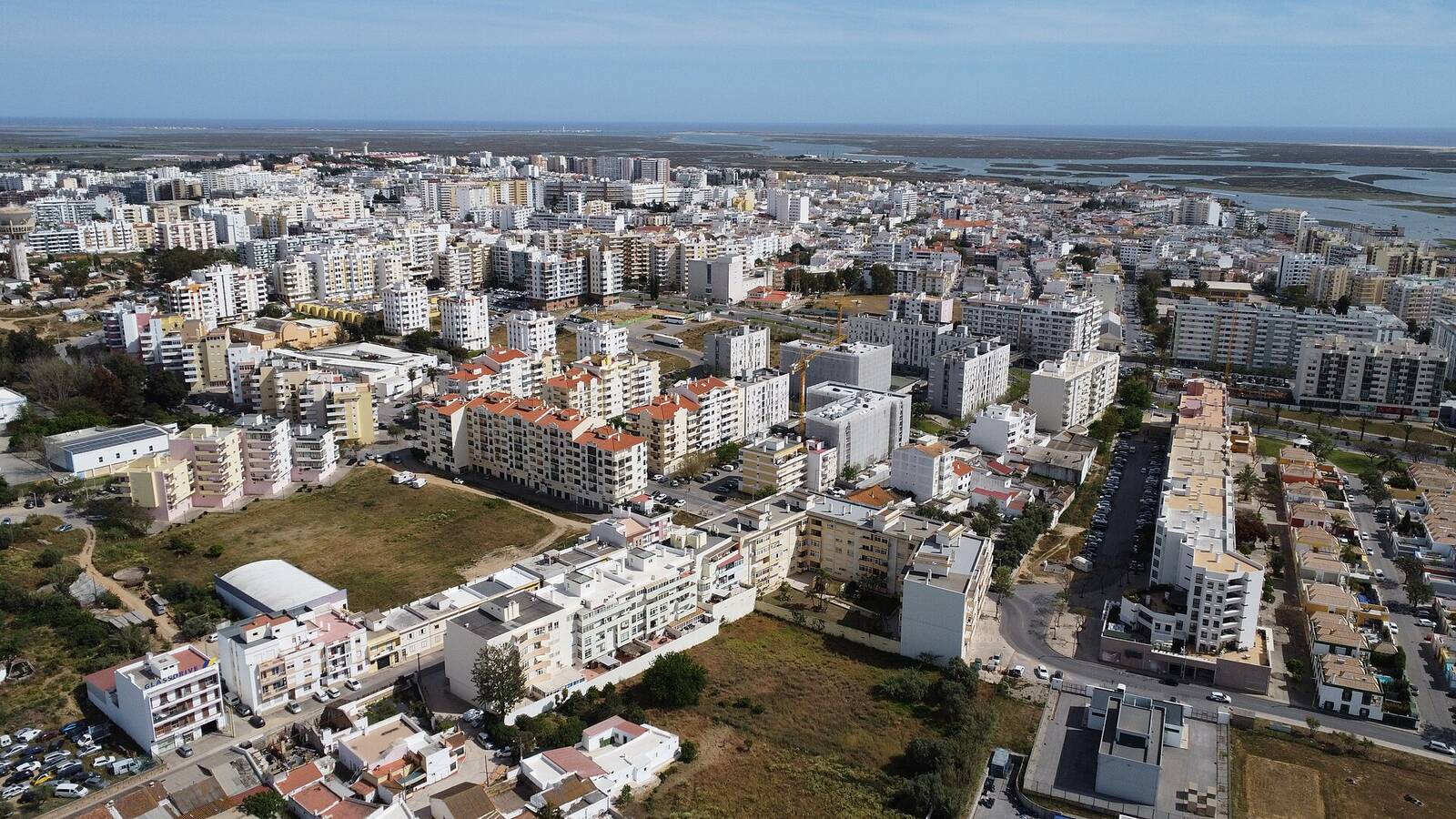
About Faro
Faro is the capital of the Algarve and of the district with the same name. The municipality has about 80,000 people, according to Wikipedia (2024), and lies on the south coast, between Loulé to the west, Olhão to the east and São Brás de Alportel to the north. The city proper has close to 57,000 residents.
What shapes the place most is the Ria Formosa. It is a lagoon some 57 kilometres long, the longest on the Portuguese coast, cut off from the sea by sand islands and peninsulas, such as Ancão, where Faro beach is. From the centre you go by boat to the islands, like Culatra, which has Portugal’s southernmost lighthouse.
Faro has been a city since 1540 and, since 1577, the seat of the Algarve bishopric. The old quarter, the Vila Adentro, still has its walls. Outside them the city grew with newer districts and multi-storey blocks, and the international airport, opened in 1965, lies about nine kilometres from the centre.
Inland the ground rises into hills, the barrocal. The parishes include Sé e São Pedro, Conceição, Estoi, Montenegro and Santa Bárbara de Nexe. The University of the Algarve is here too.
What the climate of Faro asks of windows
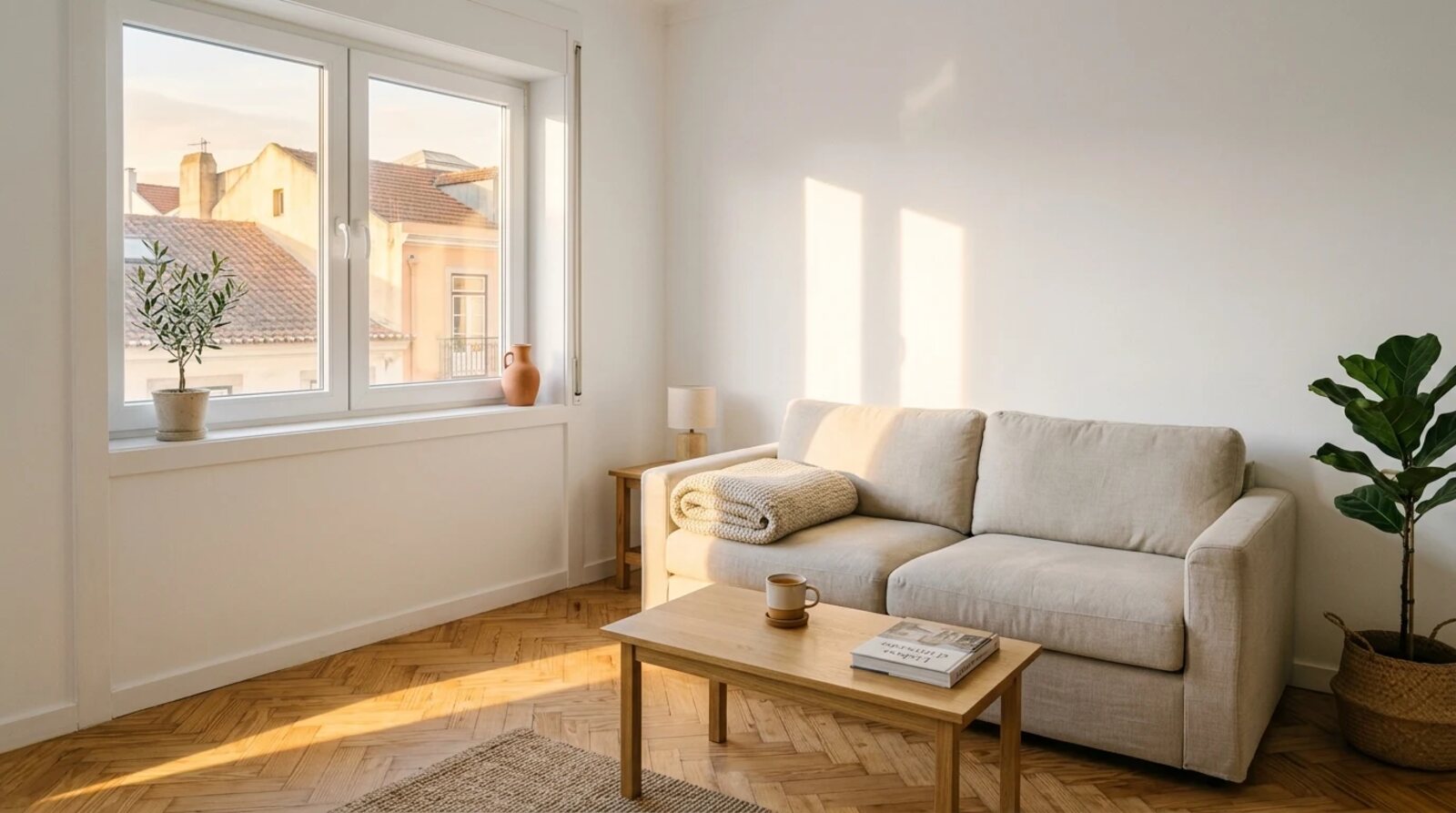
Faro has a Mediterranean climate, with hot, dry summers and mild winters. According to Wikipedia, the sun shines over 3,000 hours a year and the average annual temperature is around 18 degrees. Rain falls almost all in winter, mostly in November and December, and hardly any falls from June to September. Faro also has, on average, 45 tropical nights a year. For a window, that means plenty of heat and sun and a short but heavy rainy season.
Faro lies on the edge of the Ria Formosa, in the south of the country. The sun is strong, summers are long and the rain falls almost all in winter. The lagoon and the sand islands sit between the home and the sea.
So on a Faro window the sun and the heat weigh most, but salt and sand matter too. The section shows what each point does.
- Breeze and windy days
Sand islands shelter the lagoon, so wind tends to matter less here than on the west coast. Even so there are days of strong wind, and a poorly sealed gap lets in air and dust. In homes facing the lagoon and Faro beach, sealing is the first thing to check.
- Lagoon salt and sand
The lagoon and the beaches bring salt and fine sand. Sand gets into the tracks of sliding windows and wears the wheels and the brush seals. Clean the tracks with a brush and rinse the hardware with fresh water now and then, especially near the beach and the islands.
- Winter rain and damp
It rains little over the year, but the rain is concentrated from November to February. In those months homes are shut because of cold and rain, and the damp from the air and from breathing stays trapped. Water appears on the glass and mould in the corners, especially in poorly aired bedrooms.
- Strong sun and warm nights
With over 3,000 hours of sun, the glass is where most heat comes in. Warm nights make the home slow to cool. Glass with a solar coating, shutters outside and well-sealed windows, so hot outside air stays out when the air conditioning is on, make a difference.
| Condition | Level | Climate sheet |
|---|---|---|
| Summer | High | Hot and dry, with many warm nights. |
| Sun | High | Over 3,000 hours of sun a year. |
| Winter | Low | Mild, though nights can be cool. |
| Rain | Medium | Almost all in winter; little in summer. |
| Humidity | Medium | Near the lagoon, the air can be damp. |
Levels for comparison, not measurements.
Solutions table for Faro
| Window | Glass | |||
|---|---|---|---|---|
| Local condition | PVC | Aluminium | Double glazing | Triple glazing |
Breeze and windy days | SuitableGood, as long as the seals are in good condition. | SuitableAir stays out if the fitting and the seals are good. | SuitableWind changes little in the choice of glass. | Needs careHeavier: the hardware has to carry the weight. |
Lagoon salt and sand | SuitableDoes not rust. Clean sand out of the tracks now and then. | Needs careNeeds a good finish and cleaning. Sand wears the tracks. | SuitableThe glass stands up well to salt and sand. | SuitableSame as double glazing on this point. |
Winter rain and damp | SuitableInsulates against winter cold and helps avoid water on the glass. | It dependsWith a thermal break it works well. Without one, the frame is cold. | SuitableIn most homes it is enough for a mild winter. | It dependsInsulates more, but winter is mild. It may not pay off. |
Strong sun and warm nights | It dependsLight colours heat up less. Shutters outside help a lot. | It dependsHeats up in the sun if dark. Choose light colours and a thermal break. | It dependsAsk for glass with a solar coating for south-facing windows. | It dependsHolds back heat, but the sun still comes in. Ask about solar coating. |
- Suitable
- Needs care
- It depends
In Faro the sun decides more than the cold. The installer checks everything on site, window by window.
Homes in Faro
The homes in the area change what is worth asking of the windows.
Historic centre
Inside the walls of the Vila Adentro the streets are narrow and many buildings are centuries old. Because it is a historic area, there may be rules for the facade and the design of windows. Ask the town council before requesting quotes and show the installer a photo of the current window.
New apartments
The districts that grew outside the walls have many multi-storey blocks. When the windows are old, they tend to let in heat, noise and air. On upper floors the sun and wind hit harder, so sealing and glass count for more than the colour of the frame.
Detached and semi-detached houses
Near the lagoon and Faro beach, and on the barrocal hills, there are houses with yards or terraces. Some are lived in only in summer. Large south-facing windows take a lot of sun and need shutters outside; homes shut up for months need ventilation.
Local notes
Faro has the international airport, about nine kilometres from the centre. In homes under the flight paths or beside busy roads, thicker glass and good sealing reduce the noise that gets in.
How it works
Tell us what you need
Measure the opening on the drawing and confirm your town.
We call and answer your questions
Plain words, no rush, no obligation.
We pass your request on and you get quotes
Your request goes to installers in your area. They are the ones who send you quotes.
We do not make or fit windows. We connect people and explain.
Towns near Faro
Do not live in central Faro? These are the areas and municipalities around it. Write your town in the request.
Cannot find your area? Write it in the request.
Sun, heat and warm nights
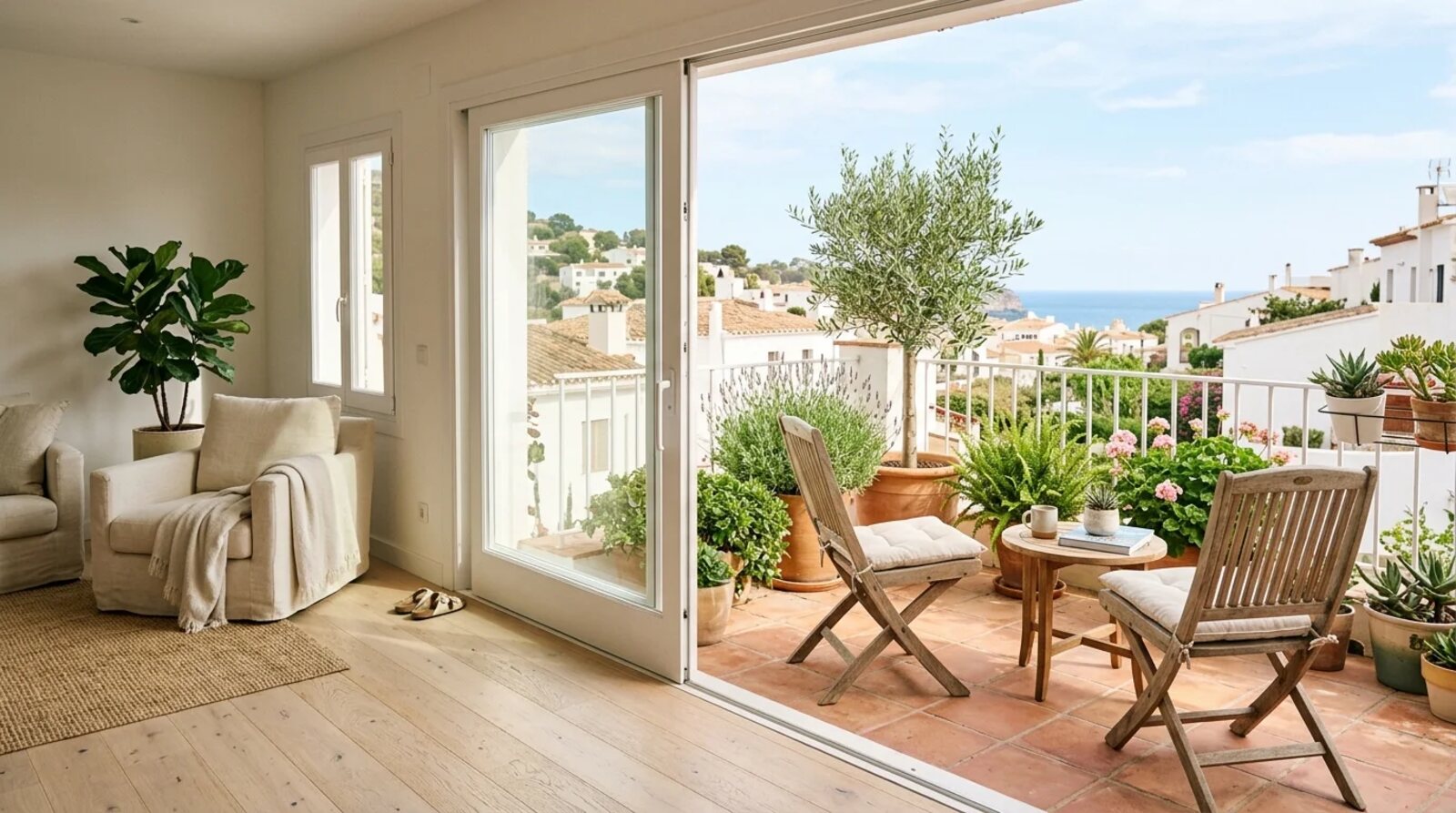
According to Wikipedia, Faro has an average of 45 tropical nights a year, more than any other city in the country. On a tropical night the temperature does not fall below 20 degrees. The warmest night ever measured in Portugal, with a minimum of 32 degrees, was in Faro, in July 2004.
The home heats up by day and hardly cools at night. These help:
- glass with a solar coating on south- and west-facing windows;
- shutters or blinds outside, which stop the sun before the glass;
- well-sealed windows and ventilation in the early morning, when the outside air is cooler.
The lagoon at the door: sand, salt and islands
Living near the Ria Formosa means living with the lagoon: sand islands, tides, salt marsh and birds. It has been a natural park since 1987 and was voted one of the seven natural wonders of Portugal in 2010, according to Wikipedia. For windows, what counts is the salty air and the sand the wind lifts on the beaches of the Ancão peninsula and the islands.
In homes by the lagoon or the beach it pays to:
- choose hardware and handles made for marine settings;
- keep the tracks of sliding windows clean;
- rinse glass and frames with fresh water after weeks of wind.
General notes
Does the Faro sun fade windows?
Over the years strong sun can fade dark colours and heat up the frame. Light colours suffer less and heat up less. Ask the installer which finish suits strong sun and ask to see samples outdoors.
Which windows suit the heat in Faro?
The whole set counts, not just the frame: glass with a solar coating, shutters outside and a well-sealed window. If you have air conditioning, sealing matters even more, because cool air should not escape. On south- and west-facing windows, a shutter outside is often more effective than the glass alone.
I live next to the Ria Formosa. Does sand damage windows?
Sand wears tracks, wheels and seals, especially on sliding windows. PVC does not rust; with aluminium, the finish counts. Cleaning the tracks now and then and rinsing the hardware with fresh water makes the window last longer.
It hardly rains in Faro. Is damp a problem?
In winter, yes. Rain falls mostly from November to February, and closed-up homes trap damp. Airing a few minutes a day and having well-sealed windows prevents mould.
See the guide Why is there water on the glass?
Can I change the windows of a house inside the old walls?
In the Vila Adentro and other historic areas there may be rules for the facade. Ask the town council before buying. If it is a block, speak to the residents' association too. The installer can help gather photos and measurements for the request.
Does aircraft noise come into the home?
Faro has the international airport, about nine kilometres from the centre. In homes under the flight paths, thicker glass and good sealing reduce the noise that gets in with the window shut. With the window open, everything passes.
Related guides
- PVC window buying guide: what to compareHow to ask for a quote, what to check before you sign, which questions to ask and which warranties to request.
- Window problems: condensation, cold, noise and leaksCondensation (also between the panes), draughts, leaks, noise, mould: the most common window problems and what to do.6 min
- Window comparison: PVC, aluminium and glass typesPVC or aluminium? Double or triple glazing? Compare the most common choices in plain words.
- 10 questions to ask a window installerThe 10 questions to ask the installer, each with the reason, to see whether the quote is serious.5 min
Prefer a call back?
Leave your name and mobile number. Your town is already filled in. Free, no obligation.