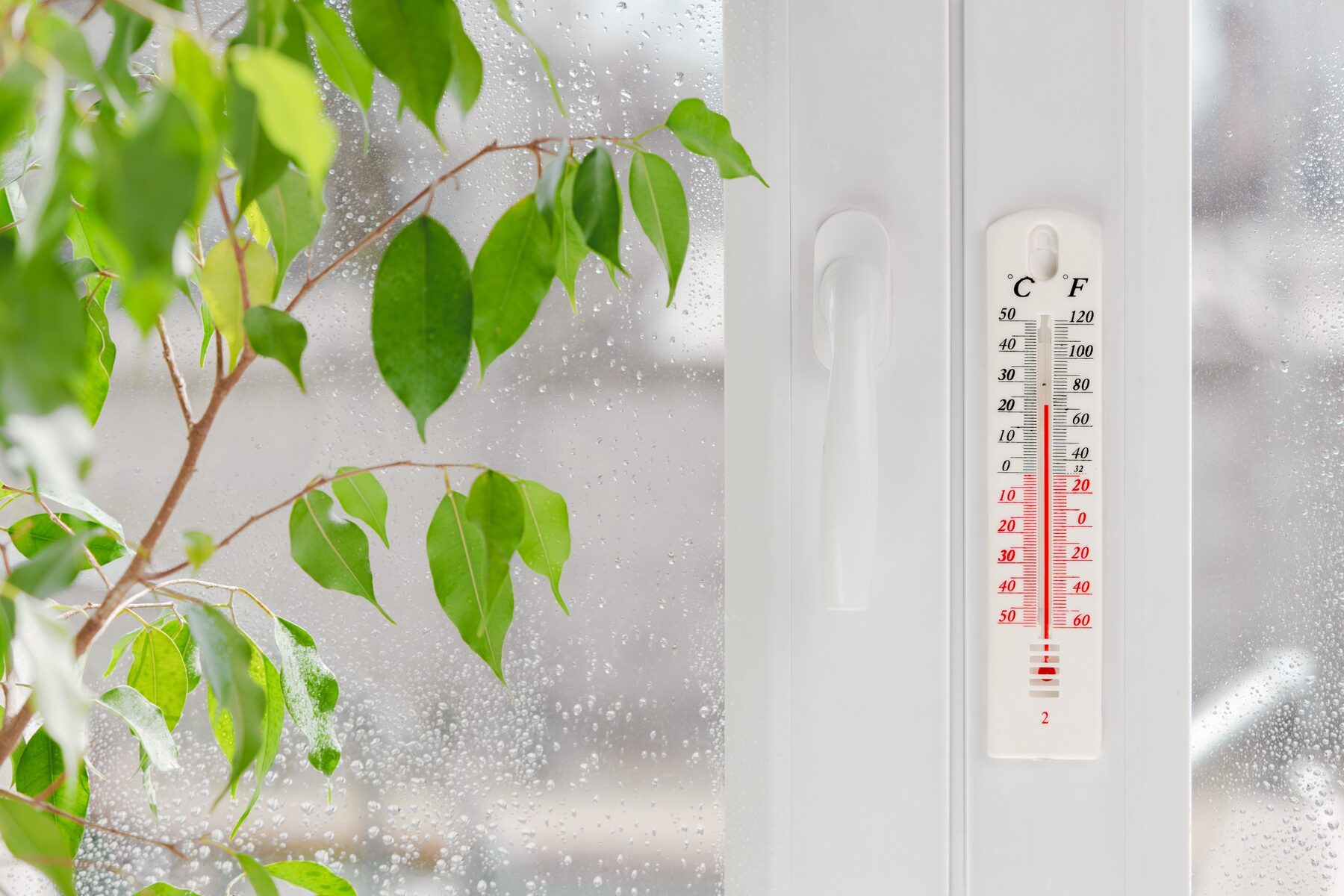
Some window problems are ones nearly everyone has felt: water on the glass, cold and wind near the window, street noise, dark marks in a corner. Here we explain the most common ones, where they come from and what you can do. No hard words.
Often the cause is not only the window. It can be the sealing, the installation, the humidity in the home or a lack of ventilation. And not every problem calls for new windows. So the first step is understanding where the problem is.
Which problem do I have? A quick table
| What you see or feel | Most likely cause | Where to read |
|---|---|---|
| Drops on the inside of the glass, in the morning | Too much humidity and cold glass | Condensation |
| Mist or drops between the two panes | The double glazing unit has lost its seal | Condensation |
| Cold and wind near the frame | Worn seals or hardware out of adjustment | Draughts, below |
| Water only with rain and wind | Sealing or drainage fault | Leaks, below |
| You hear the street with the window closed | Glass, sealing or shutter box | Sound insulation |
| Dark marks in the corners | Trapped humidity | Mould, below |
Condensation
- Cause: damp air in the home touches a cold pane and turns into drops. Some people say the window “sweats”.
- What to check: where the drops are and at what time they appear. On the inside of the glass, it is humidity from the home: airing helps. On the outside, early in the morning, it usually goes away on its own. Between the two panes, the double glazing has lost its seal.
- When to call a professional: if the water is between the two panes. It cannot be wiped or aired away, and there may be a warranty. Read Window condensation.
Condensation between double panes
The space between the two panes should be sealed and dry. If drops, mist or stains show up there, the seal of the unit has failed and humidity has got in. Usually only the glass unit is replaced, not the whole window. Take photos, check the warranty and talk to whoever installed it.
Draughts, cold and wind
- Cause: worn sealing rubbers, hardware out of adjustment or gaps between the frame and the wall.
- What to check: with the window shut, run your hand around the frame on a windy day. If you feel air, there is a fault. See PVC window installation.
- When to call: if the rubber is worn or the window no longer closes well. Sometimes adjusting the hardware is enough.
Leaks and watertightness
Watertightness is the ability of a window not to let rainwater in. When it fails, water shows up in the corner, on the sill or in the joint between window and wall.
- Cause: poor sealing, or blocked drainage.
- What to check: where the water shows up and whether it only happens with rain and wind. Take photos. Clear the small drainage holes, if the window has them.
- When to call: whenever the water comes back. A badly fixed leak damages the wall.
If the water appears even without rain and in the morning, it is most likely condensation, not a leak.
Noise
- Cause: noise gets in through the glass, the sealing, the shutter box or the wall.
- What to check: close the window and then the shutter box. If the noise changes a lot, the weak point is not the glass. See Sound insulation for windows.
- When to call: if the noise stays loud with everything closed. Ask for a noise solution, not just “thicker glass”.
Mould
- Cause: humidity that stays trapped, usually from a lack of ventilation, and colder corners where water collects.
- What to check: whether the marks are always in the same corners, especially in the bedroom and bathroom. Air and clean early.
- When to call: if it comes back after cleaning or if the wall is wet. There may be a leak or a thermal bridge.
Hard to open
- Cause: dry or out-of-adjustment hardware, dirty tracks, a sash heavier than the hinges can carry.
- What to check: clean the tracks and the hardware and see whether the sash “rubs” on the frame. See Opening types.
- When to call: if the window has warped, drops or no longer closes well. Do not force it, so you do not break parts.
Thermal discomfort
- Cause: the room is cold in winter and hot in summer. It comes from the glass, the frame, the gaps, the sun and the orientation.
- What to check: where you feel the cold (glass, frame or air coming through) and which windows get the most sun. See Double or triple glazing and Energy efficiency.
- When to call: if several symptoms show up together, or before deciding to replace your windows.
Before replacing your windows
Replacing windows is the most expensive fix. Before that, follow this order:
- Adjust the hardware and clean the tracks. Many “old” windows are just out of adjustment.
- Replace the sealing rubbers, if they are dry or broken.
- Air the home every day and control humidity, if there are drops or mould.
- Check the shutter box and the sealing around the frame, if the problem is cold, wind or noise.
- Ask for an assessment from whoever installed it or from a technician, with photos.
If the problem continues, then compare quotes. See how to ask for a quote and what changes the price of PVC windows.
Mini-glossary
- Condensation: water vapour in the air turning into drops on cold glass.
- Watertightness: the window does not let rainwater in.
- Thermal bridge: a colder spot in the wall or window, where humidity builds up.
- Glass unit: the set of the two panes and the sealed space between them.
- Hardware: hinges, lock and handle, the parts that make the window move.
How to talk to the installer
The better you describe the problem, the faster it gets solved. Say:
- Where: which window and which side.
- When: at what time, with rain, wind or cold.
- What you see: drops inside, outside or between the panes, air coming through, noise.
- Photos and the installation date, if you know it, to check the warranty.
See warranties and certificates.
What to do next
Start with the symptom you feel most and follow the link. If you are thinking of replacing your windows, see how to choose who to ask for help in Questions for the installer.