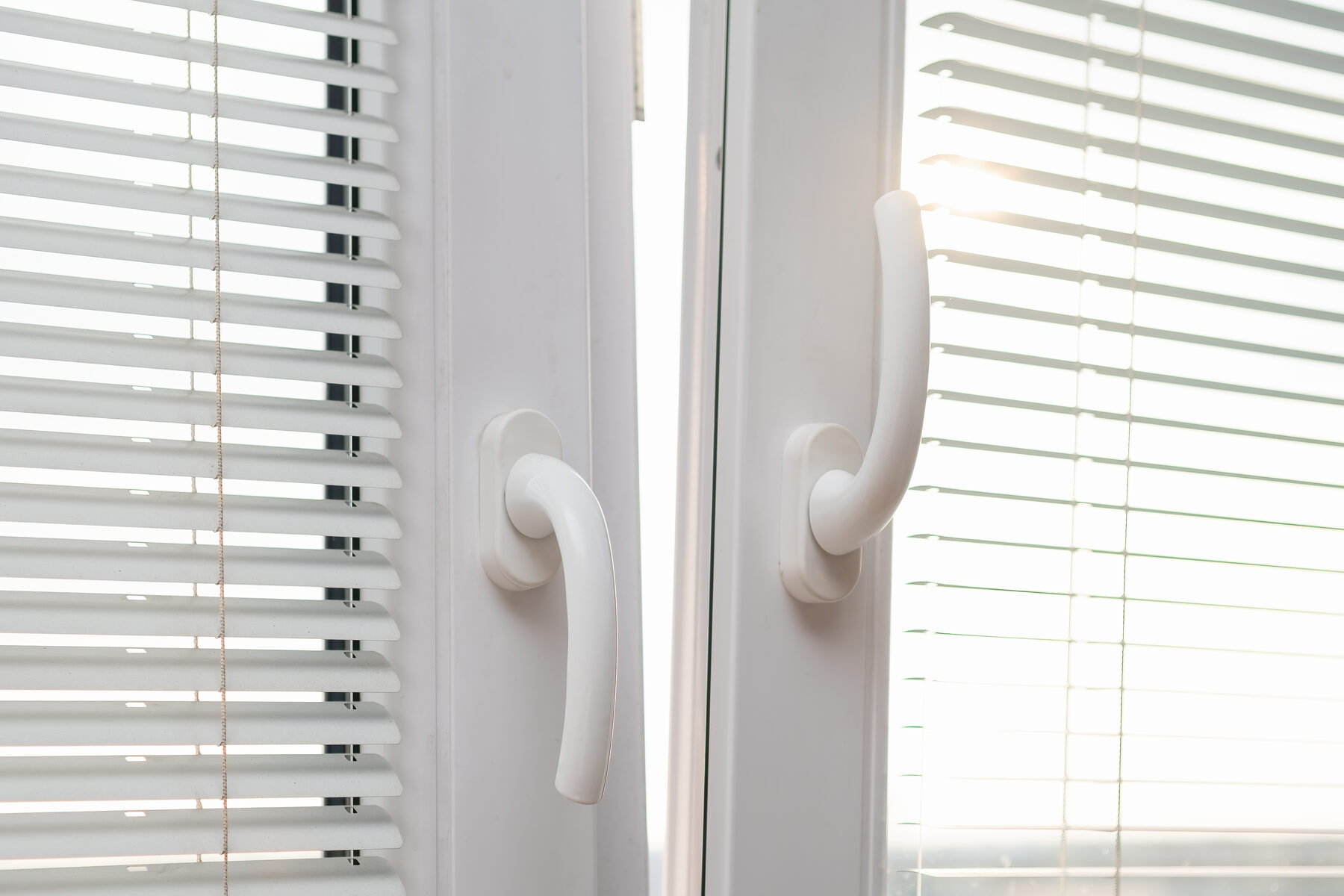
The way a window opens changes daily life: the air that comes in, the cleaning, the space it takes and even the insulation. Many people choose only by looks and regret it months later, when the casement hits the furniture or the sliding window lets the wind through. These are the most common opening types in PVC, with what you gain and lose with each.
Opening or sliding windows?
Opening windows (side-hung and tilt-and-turn) have hinges and open like a door. Sliding windows glide sideways on a track. The choice depends mainly on space and wind.
| Opening (side-hung) | Sliding | |
|---|---|---|
| Space inside the home | Needs free space in front | Takes none |
| Sealing (in general) | Tighter, seals better | Less tight |
| Opening of the gap | Opens the whole gap | Opens only half |
| Cleaning | Easy on both sides | Harder outside; the track collects dust |
| Windy areas | Better suited | Needs reinforced sealing |
| Curtains and furniture | May be in the way | No problem |
The final sealing depends on the manufacturer’s system and the installation. Use this table as a general rule and confirm with the installer.
Sliding window
The sash glides sideways, on a track.
- Advantages: takes no space inside the home. Good for balconies, narrow passages and large openings with lots of glass.
- Disadvantages: it opens only half of the gap. The sealing is usually less tight, so it insulates less. The track needs cleaning now and then: if it fills with dirt, the sash is hard to slide and the window stops closing well.
Side-hung window
The sash opens inwards (or outwards) around hinges, like a door.
- Advantages: it closes by pressing hard against the rubbers, so it usually seals better. It opens the whole gap, which helps cleaning both sides and airing quickly.
- Disadvantages: it needs free space in front. It does not suit a spot next to a worktop, a piece of furniture or a heavy curtain. In strong wind, it can slam.
Tilt-and-turn window
It is a side-hung window with a second position: it can open fully or tilt only at the top, leaving a gap.
- Advantages: it ventilates without opening everything. Useful in bedrooms, at night, on cold days or when there are children. Closed, it seals well.
- Disadvantages: more complex hardware, which needs adjusting now and then. On some models, operating it in the wrong position can pull the sash off the hinges: ask the installer to show you how it is used.
Bottom-hung tilt window (basculante)
The sash turns on an axis and tilts. It is used mainly in bathrooms and on small or high windows.
- Advantages: it ventilates even with rain or above a worktop. It takes little space.
- Disadvantages: it opens little and is harder to clean.
Basculante or tilt-and-turn?
They look alike in the gap they leave, but they are not the same thing. A basculante only tilts. A tilt-and-turn tilts and also opens sideways, like a side-hung window. Sometimes the tilted position of the tilt-and-turn is called “basculante”, which causes confusion.
| Basculante (tilt only) | Tilt-and-turn | |
|---|---|---|
| Movements | Only tilts | Tilts and opens sideways |
| Opens the whole gap | No | Yes |
| Cleaning outside | Harder | Easier, with the sash open |
| Ventilating in rain | Yes | Yes, in the tilted position |
| Hardware | Simpler | More complex, costs more |
| Best for | Bathroom, high or small window | Bedrooms, living rooms and balcony doors |
If you need to open the gap to pass through or clean, choose the tilt-and-turn. If it is a small, high window, the basculante is enough.
Fixed window
It does not open. It is just glass in the frame. It lets light in where another window already ventilates, or for very large openings. It is usually the one that insulates most, because it has no moving sashes or hardware. But it does not ventilate: always combine it with a part that opens.
Quick comparison
| Type | Space it takes | Sealing (in general) | Ventilation |
|---|---|---|---|
| Sliding | None inside the home | Less tight | Opens only half |
| Side-hung | Needs space in front | Good | Opens the whole gap |
| Tilt-and-turn | Needs space in front | Good | Fully or only at the top |
| Basculante | Little | Good, on small windows | Opens little |
| Fixed | None | The best | None |
How to choose, room by room
Small kitchen with a worktop next to the window: a side-hung window hits whatever is in front. A sliding or basculante window avoids that problem.
Bedroom facing the street: the tilt-and-turn lets you air at night with a small gap. If noise is the problem, the side-hung window seals better. See sound insulation.
Balcony with a sliding door: it saves space, but check the sealing, especially in windy areas.
| Room | What usually works |
|---|---|
| Bedroom | Tilt-and-turn (airing at night) |
| Living room | Tilt-and-turn or side-hung |
| Small kitchen | Sliding or basculante, if space is short |
| Bathroom | Basculante or tilt-and-turn |
| Balcony or terrace | Sliding, so you do not lose space |
What else counts besides the type
- Insect screen and shutters: not all types accept an insect screen in the same way. If you want one, say so when asking for the quote.
- Insulation: if cold and noise are the priority, side-hung and tilt-and-turn usually seal better. But a well-made, well-installed sliding window can be good. See thermal insulation.
- Size and weight: on large, heavy windows, the profile counts. See profile classes.
- Price: the opening type enters the price of PVC windows. In general, more complex hardware costs more.
Most common mistakes
- Choosing side-hung without measuring the space in front of the window.
- Putting sliding windows in very windy areas without asking for reinforced sealing.
- Forgetting that tilt-and-turn needs adjusting after a few years.
- Wanting the same type in every room just for uniformity.
How to check for yourself before deciding
- Open your current window every way and see whether furniture, curtains or heaters are in the way.
- Picture the cleaning: can you reach the glass outside?
- Think about daily airing: do you want to open a little or a lot?
- If there are small children or pets, prefer the lock and tilt over full opening.
Mini-glossary
- Sash: the part that opens, with the glass.
- Frame: the fixed outline.
- Hardware: hinges, lock and handle.
- Watertightness and airtightness: the ability not to let air or water through.
- Ventilation gap: the small opening you make by tilting the window.
What to do next
- Make a list of your windows and what you need in each room. Also measure the free space in front: see how to measure windows.
- Use the calculator with the opening types you chose and take the measurements to the installer.