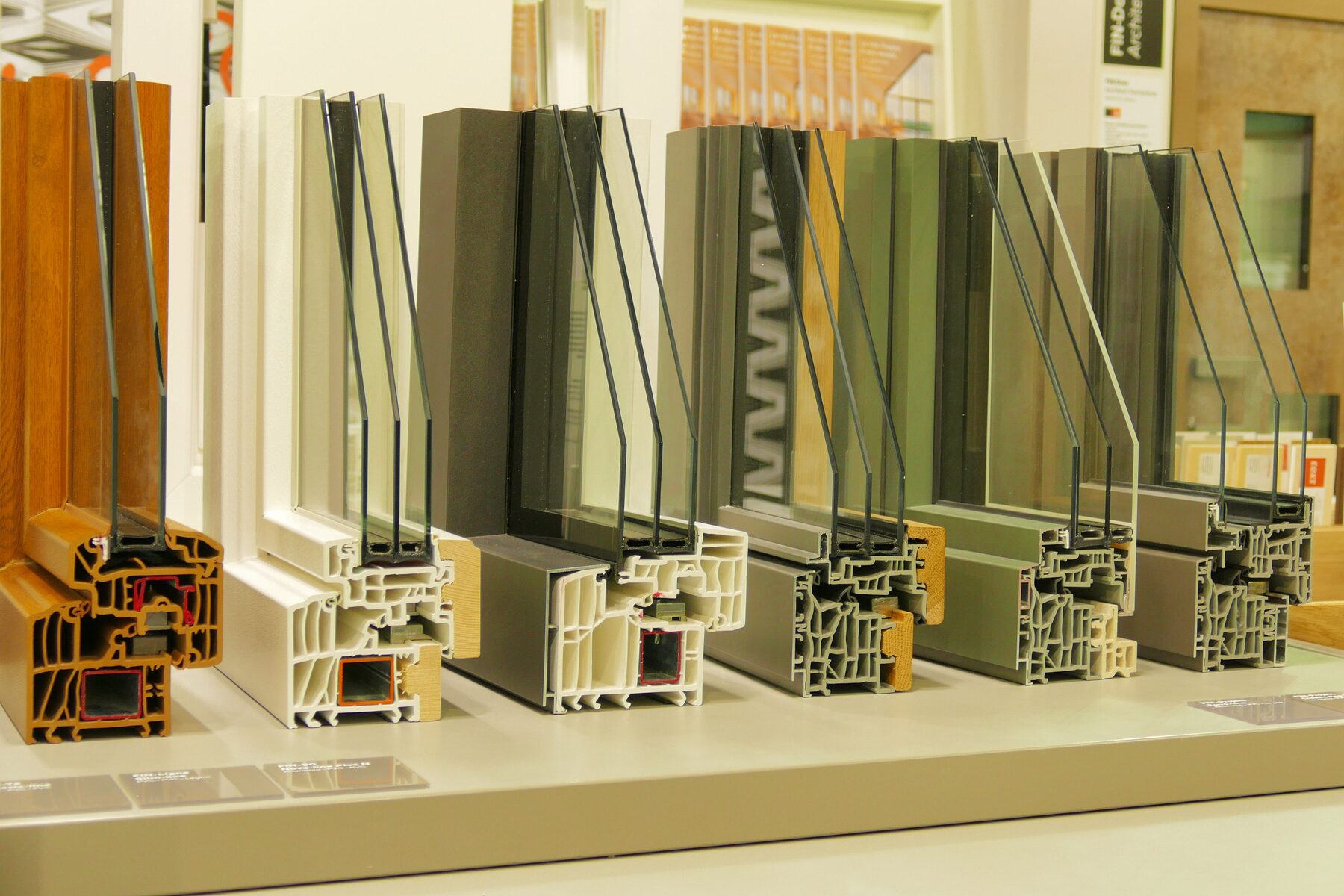
Class A on a PVC window profile means the outer walls of the profile are 2.8 mm thick or more, according to the European standard EN 12608. Class B is 2.5 mm or more. The thicker the walls, the stiffer the profile. Class C, as far as the standard indicates, sets no minimum thickness. Always confirm the exact figures on the manufacturer’s data sheet.
Two PVC windows can look the same on the outside and be very different inside. Almost no quote says which class the profile is, which is why it is worth understanding what it means.
Class A, B and C: what they mean in PVC
| Class | Outer walls of the profile | In plain words |
|---|---|---|
| Class A | 2.8 mm or more | The thickest and stiffest |
| Class B | 2.5 mm or more | A little thinner |
| Class C | no minimum set in the standard | To confirm with the manufacturer |
The class only covers the outer walls. The standard also sets lower minimums for the inner walls. The class is on the profile’s data sheet; it is not a label you can see on the window.
What the profile class is
The profile is the structure of the window: the fixed frame and the part that opens (the sash). Inside, a PVC profile is not solid. It is a long tube with several air chambers, like a honeycomb. The walls of that tube have a thickness, and the class tells you how thick the outer ones are.
The difference between class A and B is 0.3 mm. It sounds small, but on a long profile holding heavy glass for twenty years, it counts.
What stiffness is for
The profile does four jobs at once:
- it carries the weight of the glass;
- it keeps the sash straight and aligned with the frame;
- it holds the screws of the hardware (hinges, lock);
- it supports the rubber seals, which only seal if the sash presses against them properly.
PVC also expands with heat and shrinks with cold. A stiffer profile bends less in strong sun and with temperature swings. A window that loses its shape, even slightly, starts to rub, close badly and let air through.
Class A or B PVC: two everyday scenarios
A wide balcony door facing south. It is tall, heavy and gets sun all day. If the profile is too weak for that size, after a few years the sash may start to rub on the frame, the handle gets stiff and the seal stops pressing evenly. Here a class A profile pays off.
A small bathroom window. It is light, opens little and sits in the shade. Between A and B you will hardly feel a difference. Paying extra for stiffness it will never need makes no sense.
The practical rule: the bigger, heavier and more exposed to sun the window is, the more a stiff profile is worth.
Is it worth paying more for a class A profile?
On large, heavy windows or ones in strong sun, it usually is. On small, little-used windows, you will hardly notice the difference. Ask how much the difference costs on each window and decide where it matters most. See how the profile enters the price of PVC windows.
What the class does not tell you
Class A PVC is not a synonym for a perfect window:
- Class B is not bad. On small or little-used windows it can do well.
- A badly installed class A can do worse than a well-installed class B. See what installation should look like.
- The class only covers wall thickness. The number of chambers, the steel reinforcement, the hardware and the design of the system also count.
- Thermal insulation depends mostly on the glass and the seals. For cold, see thermal insulation in PVC windows.
A quality profile also resists colour change well. Cheap or unknown-origin profiles may yellow over the years. Ask about the brand and the warranty.
Mini-glossary
- Profile: the “skeleton” of the window, made of PVC.
- Frame: the fixed outline, fixed to the wall.
- Sash: the part that opens and closes, where the glass is.
- Chamber: each empty space inside the profile. More chambers help insulate.
- Reinforcement: a steel piece inside the profile that gives extra stiffness on large pieces. Whether it is needed depends on the size; ask the installer.
How to find the class on your quote
Many quotes say only “PVC window with double glazing”. That is not enough to compare, because a very good window and a very poor one both fit in there. Ask in writing for:
- The brand of the profile.
- The name of the system (the exact range).
- The data sheet, where the class (A, B or C) usually appears.
If the company answers clearly, that is a good sign. If it answers “they are all the same” or “it is German PVC” without naming it, be wary. See more questions like this in questions for the installer.
Common mistakes when comparing quotes
- Comparing only the final price. A quote can be cheaper because the profile is thinner, and the quote does not even say so.
- Thinking the glass brand says something about the profile. They are separate things.
- Accepting “first-class PVC”. It is not a class. Ask for the system name and the class.
- Ignoring size. A profile that works on a small window can fall short for a large opening.
How to check for yourself, with the window installed
There is no way to measure the thickness without the manufacturer, but there are signs that something is wrong:
- The sash rubs on the frame or sits lower on one side.
- The handle takes force to turn.
- Light is visible between the sash and the frame in one place but not in another.
- The seal is marked only along part of the outline.
These signs can have other causes (hardware not adjusted, crooked installation). Before blaming the profile, ask for an adjustment.
What to do next
- Note the size and exposure of each window. Large and south-facing ones deserve more attention.
- Ask every company for brand, system, class and data sheet, as explained in how to ask for a quote.
- Compare with the rest of the set: PVC windows shows the big picture and the calculator gives an idea of cost.