PVC window installation in Coimbra
Tell us where, and we will call you. Measure your opening on the drawing, leave your mobile number and installers in your area send quotes.
- Town
- Coimbra
- District
- Coimbra
- Position
- 40°13′ N · 8°26′ W
- Tilt and turn: opens to the side and tilts for fresh air.
What will it cost? Start with the sizes
Window type
Material
Colour
Sizes
Between 600 and 1800 mm
Between 300 and 2200 mm
A rough size is fine.
Extras
Window schedule
Each row is one window. Tap its mark (J1, J2…) to edit it.
No windows on the list yet. Set one up and tap “Add to the list”.
Pick a type and sizes, then add the window to the list to see the square metres.
Get an estimate
About Coimbra
Coimbra is the capital of the Coimbra district and the biggest city in the Centro region. The municipality has 18 parishes and about 319 km², and the city lies on the banks of the Mondego river, with the old part climbing a hill.
The Romans called it Aeminium. Later the bishop’s seat moved here from nearby Conímbriga, which is where the current name comes from. It was retaken from the Moors in 1064, after a six-month siege, and was the first residence of the kings of Portugal. Wikipedia notes that six kings of the first dynasty were born here.
The University began at the wish of King Dinis, confirmed in 1290, and settled in Coimbra for good in 1537. According to Wikipedia, the city’s universities now have about 45,000 students, and there are also health and technology companies. That is why Coimbra is known as the students’ city, with academic festivities as a tradition.
For anyone thinking about windows, the city has three worlds: the Alta, with the Old Cathedral and its narrow streets, the downtown by the river, and the new districts around. Each has homes of a different age and exposure.
What the climate of Coimbra asks of windows
According to Wikipedia, Coimbra has a warm-summer Mediterranean climate (type Csb). In winter, days are around 15 °C and nights around 5 °C, with cold spells close to freezing. In summer, days are around 29 °C and nights 16 °C, but it can reach 40 °C. Between 1971 and 2000, the lowest record was -4.9 °C and the highest 41.6 °C.
Coimbra climbs from the Mondego river up a hill. Down below, the air tends to be more humid. Up above, wind and cold may be more noticeable.
Summer can be very hot and winter brings cold nights. The window is only part of the answer, next to the wall, the ventilation and the fitting.
- Cold valley air
In winter, cold, damp air slides down into the Mondego valley and settles in the streets by the river. Any small gap in an old window lets that current through. So a continuous seal and the fitting count as much as the glass.
- River mist
In the downtown streets, near the water, the air tends to be more humid and there can be mist in the morning. Damp builds up in old wooden frames and, over time, ruins them. Profiles that neither rust nor rot, and hardware that is easy to clean, mean less work.
- Cold nights and rain
On winter nights the temperature gets close to freezing and rain is concentrated in that season. A less cold inner pane reduces droplets on the glass and mould in the bedroom corners. Thick stone houses hold the cold for a long time, so it is worth looking at the wall too.
- Summer heat
Summer days are around 29 °C, but there are peaks of 40 °C, and Wikipedia records a maximum of 42.5 °C in 1943. On those days, the sun hitting the glass warms the room more than the outside air does. Outside blinds and solar-control glass work better than curtains inside.
| Condition | Level | Climate sheet |
|---|---|---|
| Summer | Medium | Hot days, with peaks of strong heat. |
| Winter | Medium | Cold nights, with cold spells near freezing. |
| Humidity | Medium | Felt more in the low parts by the river. |
| Rain | Medium | More frequent in winter. |
| Sun | High | Bright, luminous summers. |
Levels for comparison, not measurements.
Solutions table for Coimbra
| Window | Glass | |||
|---|---|---|---|---|
| Local condition | PVC | Aluminium | Double glazing | Triple glazing |
Cold valley air | SuitableA continuous seal all round solves most draughts. | SuitableCopes well. Check the gaskets and the lock. | SuitableYou notice it more in comfort at the glass than in wind. | Needs careHeavier: hinges and frame must be ready for it. |
River mist | SuitableWipe clean with a damp cloth, no painting needed. | SuitableCopes well in town. Clean the tracks now and then. | SuitableNo issues here, just clean it. | SuitableSame as double glazing on this point. |
Cold nights and rain | SuitableGood frame insulation, which helps against water on the glass. | Needs careAsk for a thermal break; without it the frame is cold inside. | SuitableA good base for houses with moderate cold and damp. | SuitableLess cold on the glass, but airing the room is still needed. |
Summer heat | SuitableWorks in summer and winter. Light colours help. | It dependsDepends on profile and colour. A thermal break is better. | It dependsOn sunny facades, ask about solar-control glass. | It dependsHolds heat in, but the sun comes through. Look at solar control. |
- Suitable
- Needs care
- It depends
In Coimbra, winter cold and summer heat weigh almost equally. The installer confirms on site what suits your facade.
Homes in Coimbra
The homes in the area change what is worth asking of the windows.
Historic centre
In the Alta and around the Old Cathedral there are medieval and baroque houses with thick walls, courtyards, little stairways and arches. Openings are rarely straight or the same size, so made-to-measure windows are common. In a listed area the facade may have rules: ask the town council before ordering.
Older apartment blocks
Downtown and by the river there are multi-storey buildings, many split into small flats to rent to students. Windows tend to be old, wood or single glass, and let in cold air and street noise. Replacing all the windows in a room works better than replacing just one.
New apartments
In the newer districts around the city there are modern blocks with tighter windows. There the problem is usually different: with the home well sealed, damp from showers and cooking stays trapped and shows in the corners. Choose windows with a ventilation opening, or add a grille.
How it works
Tell us what you need
Measure the opening on the drawing and confirm your town.
We call and answer your questions
Plain words, no rush, no obligation.
We pass your request on and you get quotes
Your request goes to installers in your area. They are the ones who send you quotes.
We do not make or fit windows. We connect people and explain.
Towns near Coimbra
Live outside the city? These are the municipalities around Coimbra. Write your town in the request.
Cannot find your area? Write it in the request.
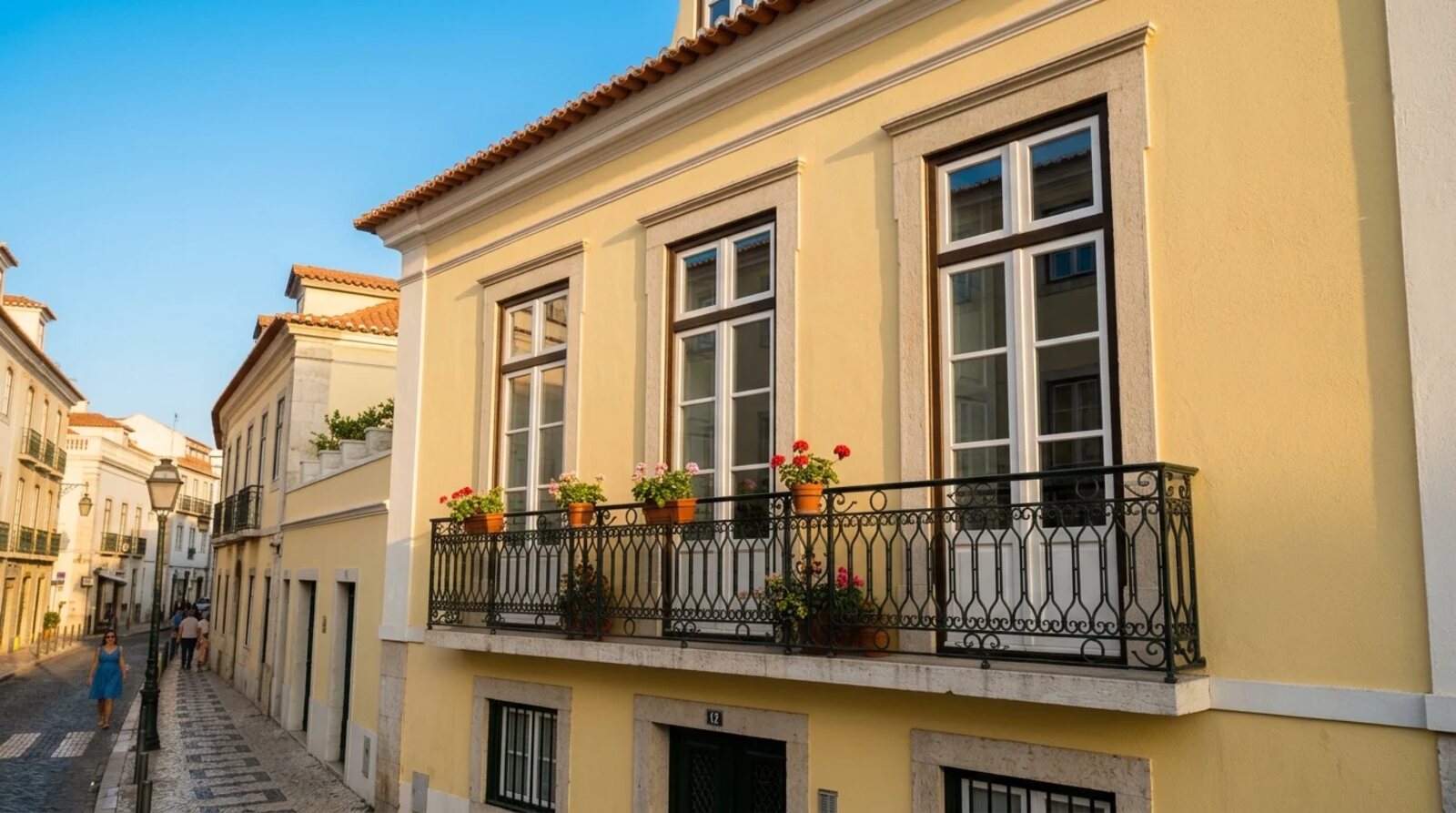
Coimbra in photos
Rented homes and student flats
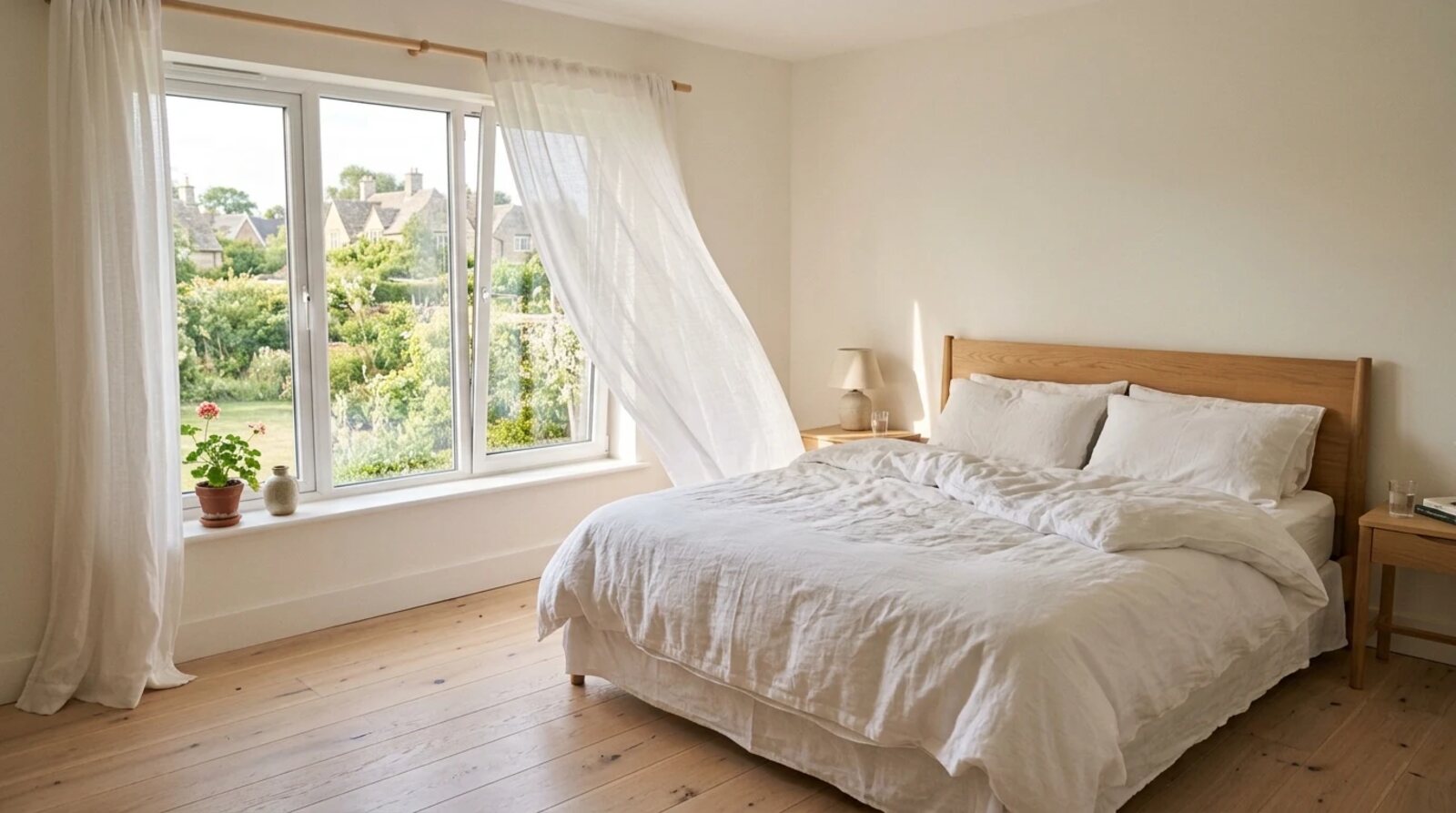
With about 45,000 students, Coimbra has many rented homes. If you are a tenant, the work must be approved by the landlord, who owns the property. Show them the problem with photos: the cold in the bedroom, the draught, the wet glass in the morning.
If you are the landlord, windows that seal well help keep the flat dry and avoid mould complaints. Think about noise too: on streets with a lot of nightlife, well-fitted double glazing makes a difference for those who study and sleep there.
From the Alta to downtown: every street is a case
Coimbra climbs from the river to the top of the hill, and the difference in height changes the home. Down by the Mondego, damp weighs more. Up in the Alta, wind and sun tend to hit facades head on.
The same building can have a cool, damp floor and a hot, dry one, depending on orientation. Ask the installer to look at each facade, the afternoon sun and the state of the walls before deciding whether double or triple glazing suits.
General notes
Can I change windows in the Alta, near the University?
The Alta is a historic area, and the facade may have rules. The town council decides what can be changed on the outside. Ask before ordering and bring photos of the building. If the look of the old window must be kept, tell the installer straight away.
I rent a home in Coimbra. Who decides on new windows?
The landlord, who owns the property. Show them photos of the cold, the draught or the wet glass and suggest asking for quotes together. The home becomes drier and more comfortable, which is in both your interests.
I live by the Mondego and the walls sweat. Are new windows enough?
They help, but they are not enough alone. They keep the glass warmer, which reduces droplets, but the damp has to leave the house. Open the windows a few minutes a day, use the ventilation grille and look for leaks in the wall or the plumbing.
Double or triple glazing, for 40-degree summers and cold winters?
Strong heat calls mainly for solar control in the glass and shade outside. Winter cold, with nights near freezing, calls for a frame that insulates. Double is usually the base; triple can pay off on a wall very exposed to cold, but it is heavier.
Are there windows that help with the noise of student festivities?
Wikipedia mentions academic festivities as a tradition of the city, and on those nights the street gets noisy. Double glazing with different pane thicknesses reduces noise, but only if the frame seals well. One small gap is enough to spoil it, so fitting counts as much as the glass.
I live outside Coimbra, in Condeixa or Penacova. Can I ask?
Yes. Write your locality in the request so we can pass it on to installers in that area. We do not install: we connect the person asking with the person who does the work. The further from the city, the more useful it is to describe the house and the street.
Related guides
- PVC window buying guide: what to compareHow to ask for a quote, what to check before you sign, which questions to ask and which warranties to request.
- Window problems: condensation, cold, noise and leaksCondensation (also between the panes), draughts, leaks, noise, mould: the most common window problems and what to do.6 min
- Window comparison: PVC, aluminium and glass typesPVC or aluminium? Double or triple glazing? Compare the most common choices in plain words.
- 10 questions to ask a window installerThe 10 questions to ask the installer, each with the reason, to see whether the quote is serious.5 min
Prefer a call back?
Leave your name and mobile number. Your town is already filled in. Free, no obligation.
Do you install windows in Coimbra?
Receive requests from customers in your area.
I want to be a partner