PVC window installation in Valongo
Tell us where, and we will call you. Measure your opening on the drawing, leave your mobile number and installers in your area send quotes.
- Town
- Valongo
- District
- Porto
- Position
- 41°11′ N · 8°30′ W
- Tilt and turn: opens to the side and tilts for fresh air.
What will it cost? Start with the sizes
Window type
Material
Colour
Sizes
Between 600 and 1800 mm
Between 300 and 2200 mm
A rough size is fine.
Extras
Window schedule
Each row is one window. Tap its mark (J1, J2…) to edit it.
No windows on the list yet. Set one up and tap “Add to the list”.
Pick a type and sizes, then add the window to the list to see the square metres.
Get an estimate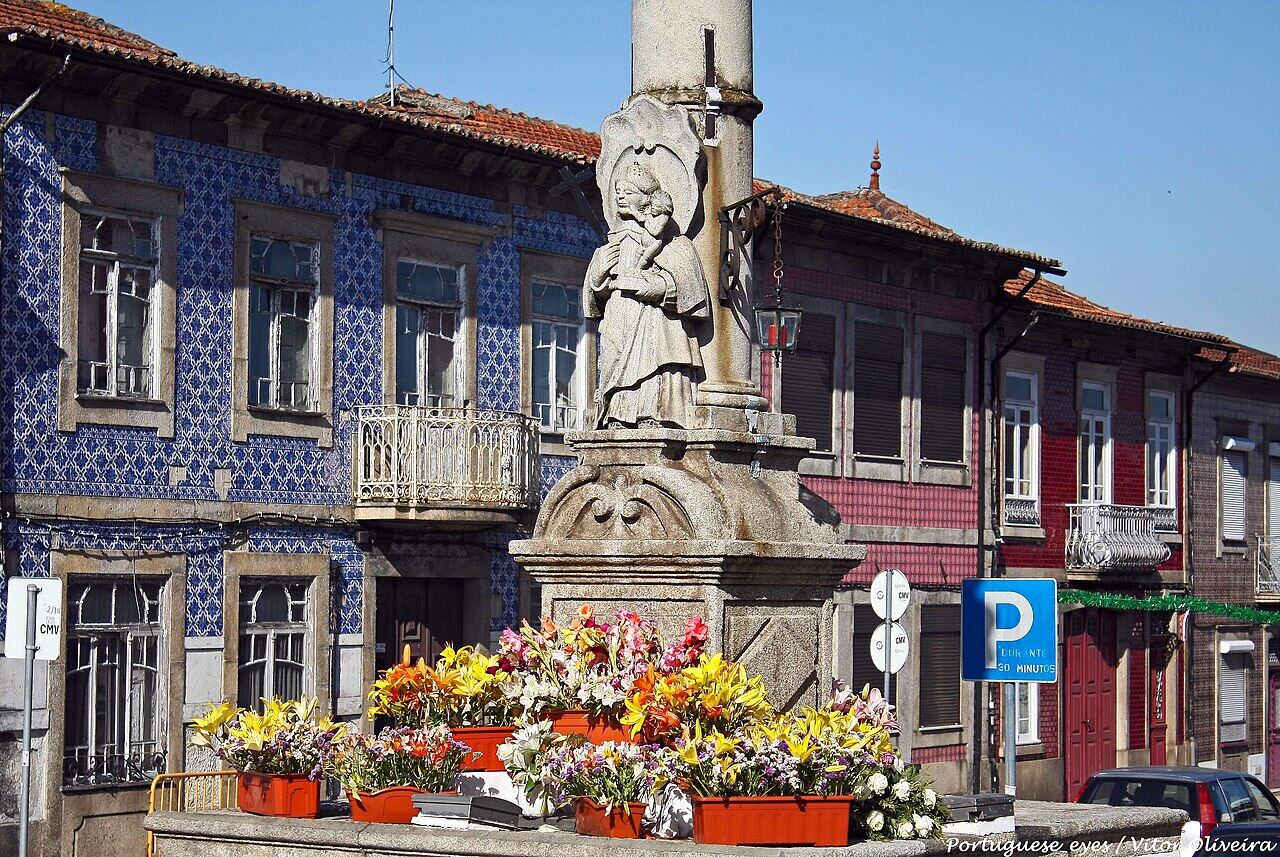
About Valongo
Valongo lies north-east of Porto and has about 99 thousand residents in 75 km², spread over five parishes: Alfena, Campo, Ermesinde, Sobrado and Valongo. It borders Maia, Gondomar, Paredes, Paços de Ferreira and Santo Tirso. The Ferreira river crosses the municipality and, in the Middle Ages, is said to have served as the border between two old territories.
The region has been inhabited since the Palaeolithic. Between the end of the 18th century and the start of the 20th the big farmhouses were built in almost every settlement, and the countryside lived off vines, maize, fodder and milk. With industry came textile mills, such as the Balsa spinning mill, in Sobrado, and the Sá factory, in Ermesinde, which also has the railway station.
The area is known for slate, formed about 350 million years ago, and for the Santa Justa and Pias hills, in the Porto Hills Park. There are old bridges, such as the Seven Arches Bridge, and events such as the Toy Festival and the Regueifa and Biscuit Fair.
Today Valongo combines urban districts, mainly in Ermesinde and Valongo, old industrial districts and hill villages such as Susão. The municipality is linked to Porto by train and by road.
What the climate of Valongo asks of windows
Valongo has a near-inland Atlantic climate: cool, rainy winters, especially on the slopes of the Santa Justa and Pias hills, and mild to hot summers. Wikipedia cites no official measurements for the local climate, so it is best to speak of tendencies: more rain and cold at height, less wind than on the coast. A window should hold back water, cold and dust, and the joint to the wall is the most important point.
Valongo rises between hills and valleys, far from the sea but close to the rain. The slopes catch the water first and the cold arrives earlier.
Good sealing, good insulation and a careful joint make the difference between a dry, warm home and a damp one.
- Hill wind and rain
On the slopes of the Santa Justa and Pias hills rain drives sideways and wind pushes water into the joints. The joint to the wall and the gaskets stop it getting in. In slope-side houses, water running down the wall should also be diverted.
- Hill and building-site dust
Near quarries, dirt roads and building sites, dust gets in through gaps and builds up in the tracks. Cleaning the tracks and having good gaskets helps. On dry, windy days, dust rises from the ground and enters open windows.
- Rain and cold on the slopes
On higher ground it rains more and nights get cold. With cold glass and walls, damp from the home condenses and mould appears. A frame with a thermal break and double glass help keep surfaces warmer.
- Sun and heat
Summer can be hot, especially on south-facing walls of farmhouses and tall buildings. Light colours and solar-treated glass help. External blinds stop the sun before it reaches the glass.
| Condition | Level | Climate sheet |
|---|---|---|
| Rain | High | Heavier on the hill slopes. |
| Winter | Medium | Cool, with more cold on higher ground. |
| Summer | Medium | Mild to hot, far from the sea. |
| Humidity | Medium | Streams, valleys and rainy days. |
| Wind | Low | Less exposed than the coast. |
Levels for comparison, not measurements.
Solutions table for Valongo
| Window | Glass | |||
|---|---|---|---|---|
| Local condition | PVC | Aluminium | Double glazing | Triple glazing |
Hill wind and rain | SuitableGood against wind-driven rain, with a correct seal. | Needs careOn exposed slopes it needs good sealing and a thermal break. | SuitableThe glass copes well; the care is in the joint. | Needs careHeavier: hardware and frame must be ready for it. |
Hill and building-site dust | SuitableGood gaskets and simple track cleaning against dust. | SuitableResists damp air well with a quality coating. | SuitableGlass does not suffer in a damp setting. | SuitableSame as double on this point. |
Rain and cold on the slopes | SuitableInsulates well and helps against cold and mould. | Needs careWithout a thermal break it gets cold and attracts condensation. | SuitableA good base for rainy, cool winters. | SuitableMore comfort on cold days; worth it in exposed homes. |
Sun and heat | SuitableA good option in hot summers, preferably in light tones. | It dependsDepends on colour and profile. With a thermal break, it heats less. | It dependsFor sunny facades there are solar-treated glasses. | It dependsSummer sun still comes in. Check the solar factor. |
- Suitable
- Needs care
- It depends
In Valongo height counts: on the slopes, rain and cold; on low ground, noise and dust. The installer confirms on site.
Homes in Valongo
The homes in the area change what is worth asking of the windows.
Older apartment blocks
In Ermesinde and Valongo there are older buildings and terraces, tied to the era of factories and the railway. Many have wood or iron windows, and the wall needs care before any replacement. The installer should see the opening on site, because measurements are rarely true.
Traditional houses
In villages such as Susão and in the parishes of Campo and Sobrado there are stone farmhouses, with small windows and thick walls. With old frames, they let in cold and air. When replacing, it helps to respect the facade design and seal the opening well.
New apartments
Near the Ermesinde and Valongo stations there are more recent apartment blocks. Train and road noise can count in the choice of glass. On upper floors, wind from the hills also weighs on fixing and hardware.
How it works
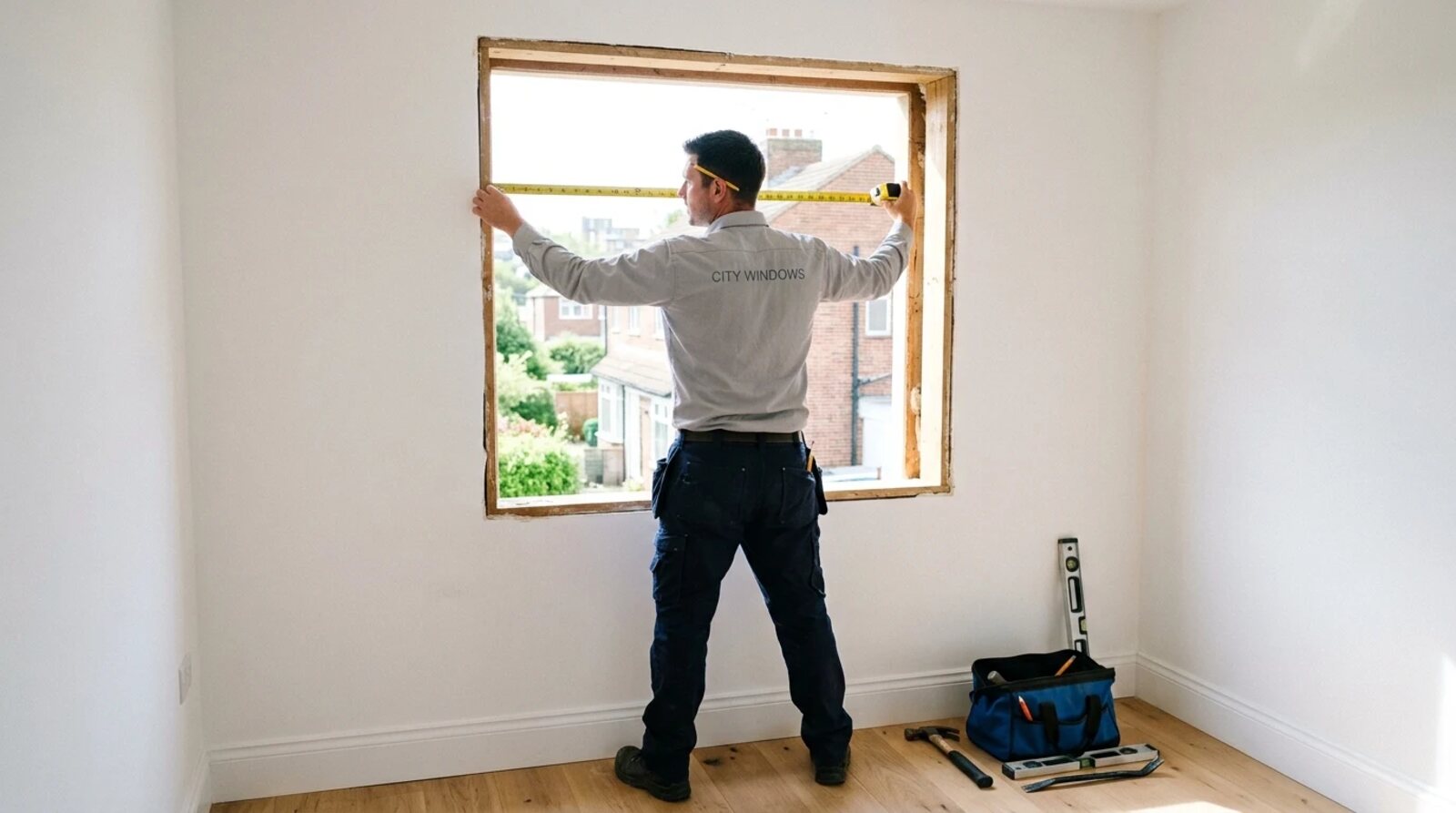
Tell us what you need
Measure the opening on the drawing and confirm your town.
We call and answer your questions
Plain words, no rush, no obligation.
We pass your request on and you get quotes
Your request goes to installers in your area. They are the ones who send you quotes.
We do not make or fit windows. We connect people and explain.
Towns near Valongo
Not in Valongo? These are the neighbouring municipalities, north-east of Porto.
Cannot find your area? Write it in the request.
Slate, quarries and dust
The Santa Justa and Pias hills have a history tied to slate and mines. If you live near quarries, dirt roads or building sites you may get more dust indoors. A few ideas:
- Clean the tracks of sliding windows, where dust builds up.
- Pick good-quality gaskets and check them now and then.
- On building-site days, keep windows closed and air the home later.
If the house is stone, ask for the joint to the wall to be well sealed, so dust and water stay out.
Factory houses, country houses
Valongo has two very different kinds of home. Houses near the old factories and the station, in Ermesinde and Sobrado, are more compact and often semi-detached. Farmhouses in the countryside and hills are larger, stone and more exposed to the weather:
- In compact houses, noise and dust from the railway and the streets count more.
- In farmhouses, cold, rain and damp from the stone weigh more.
Tell the installer what kind of house it is and where it stands.
General notes
Does hill rain get into a slope-side house?
Only if the window or its joint fails. What weighs more is the joint between window and wall and the way water drains from the frame. Ask to be shown both points. In a slope-side house, it is worth checking where water from the wall runs too.
Does dust from building work and quarries damage windows?
It wears gaskets and tracks if they are not cleaned. A simple clean and good-quality gaskets are enough in most cases. If there is a lot of dust, ask for windows that are easy to clean, hinged instead of sliding.
Which window suits an old stone village house?
A window with good sealing and a careful joint. Thick stone walls are cold, so it is worth looking at the wall around the opening before deciding. The look of the facade also counts: many farmhouses call for windows that respect the old design.
Does train and road noise justify special glass?
If the noise bothers you, it is worth asking about panes of different thickness or laminated glass. It helps if the installer hears the problem on site. For homes near the Ermesinde station, the time of loudest noise helps decide.
Is it worth replacing the windows of an old factory-era house?
Often yes, because the original windows tend to be worn. Ask the installer to look at the wall and the opening first. If the building has historic value, talk to the city council.
I live in Alfena, Campo or Sobrado. Can I ask?
Yes. Write the parish in the request and it goes to installers who cover that area. JanelaCerta does not install. If you know the altitude and orientation of the house, say so too.
Related guides
- PVC window buying guide: what to compareHow to ask for a quote, what to check before you sign, which questions to ask and which warranties to request.
- Window problems: condensation, cold, noise and leaksCondensation (also between the panes), draughts, leaks, noise, mould: the most common window problems and what to do.6 min
- Window comparison: PVC, aluminium and glass typesPVC or aluminium? Double or triple glazing? Compare the most common choices in plain words.
- 10 questions to ask a window installerThe 10 questions to ask the installer, each with the reason, to see whether the quote is serious.5 min
Prefer a call back?
Leave your name and mobile number. Your town is already filled in. Free, no obligation.
Do you install windows in Valongo?
Receive requests from customers in your area.
I want to be a partner