PVC window installation in Guimarães
Tell us where, and we will call you. Measure your opening on the drawing, leave your mobile number and installers in your area send quotes.
- Town
- Guimarães
- District
- Braga
- Position
- 41°26′ N · 8°18′ W
- Tilt and turn: opens to the side and tilts for fresh air.
What will it cost? Start with the sizes
Window type
Material
Colour
Sizes
Between 600 and 1800 mm
Between 300 and 2200 mm
A rough size is fine.
Extras
Window schedule
Each row is one window. Tap its mark (J1, J2…) to edit it.
No windows on the list yet. Set one up and tap “Add to the list”.
Pick a type and sizes, then add the window to the list to see the square metres.
Get an estimate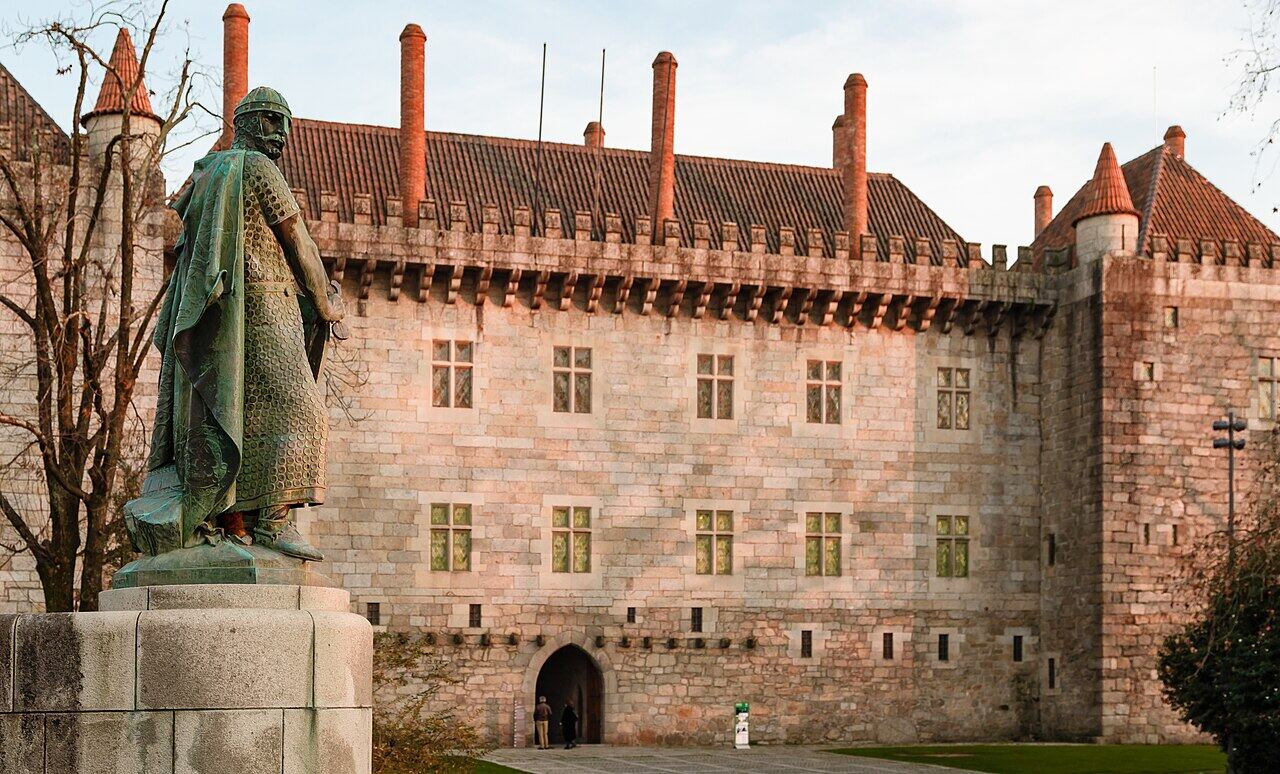
About Guimarães
Guimarães is in the Minho, in the valley of the Ave river, and is known as the cradle of the Portuguese nation. In 1128 events took place here that led to independence, and on one of the towers of the old wall you can read “Here Portugal was born”. The municipality has about 157 thousand residents in 241 km² and 48 parishes, and the city itself about 54 thousand.
The historic centre has been a UNESCO World Heritage Site since 2001, and in 2023 the extension of the listing to the Couros area, an old tannery district, was approved. The city has the Palace of the Dukes of Braganza, the castle and the Briteiros and Sabroso hill forts, which show very old settlement.
The land is granite. Monte da Penha, at 613 metres, is the highest point, and forests cover about 42% of the municipality. The Ave river crosses it from north-east to south-west, with the tributaries Vizela, Torto, Febras and Selho. The Ave area is one of the most industrialised in the country, and Guimarães had cotton and linen spinning and weaving, cutlery, tanneries and goldsmithing.
Today the city combines a much-visited historic centre, new districts with apartment blocks and a ring of villages with granite houses. The Avepark science and technology park shows the move to new industries.
What the climate of Guimarães asks of windows
According to Wikipedia, Guimarães has a Csb climate, with an average annual temperature of 14 degrees. Being set between a valley and hills and far from the coast, winters are cold and rainy and summer is hot and slightly humid. Rain is frequent from autumn to spring and the granite of the houses is slow to warm. For windows, the most important thing is insulating against cold and sealing out water and air well.
Guimarães lies in a valley between hills, far from the sea. Winter is cold and damp, and the granite of the houses is slow to warm.
What counts here is insulating well, sealing the joints and not letting cold get trapped in the walls.
- Wind and rain on the hills
On the slopes of the Penha and in open squares, rain arrives sideways. Good gaskets and a well-sealed joint to the stone hold back the water. In isolated houses on the hills, the wind is stronger than in town.
- Damp valley air
The Ave valley combines rain and still air, and damp settles on houses. Well-sealed windows with their own ventilation prevent mould. Homes near the Selho and Vizela rivers feel the damp most.
- Cold, rainy winters
Away from the coast, winter is cold and rainy. An insulating frame and double or triple glass save on heating. In granite houses, the opening must be well treated, so cold does not get in through the joint.
- Summer heat
Summer is hot and a little humid. South-facing walls heat up, and light colours with solar-treated glass help. In stone houses, the thick wall holds some coolness by day.
| Condition | Level | Climate sheet |
|---|---|---|
| Winter | High | Cold and rainy, far from the coast. |
| Rain | High | Frequent from autumn to spring. |
| Summer | Medium | Hot and a little humid. |
| Humidity | Medium | A valley ringed by hills. |
| Wind | Low | Less exposed to sea wind. |
Levels for comparison, not measurements.
Solutions table for Guimarães
| Window | Glass | |||
|---|---|---|---|---|
| Local condition | PVC | Aluminium | Double glazing | Triple glazing |
Wind and rain on the hills | SuitableGood against wind-driven rain, with a correct seal. | SuitableCopes well, as long as the joint to the wall is done well. | SuitableThe glass copes well; the care is in the joint. | Needs careHeavier: hardware and frame must be ready for it. |
Damp valley air | SuitableDoes not rot or need painting. Wipe with a damp cloth. | SuitableResists damp air well with a quality coating. | SuitableGlass does not suffer in a damp setting. | SuitableSame as double on this point. |
Cold, rainy winters | SuitableInsulates well and helps against cold and mould. | Needs careWithout a thermal break it freezes in granite-and-valley winters. | SuitableA good base for rainy, cool winters. | SuitableMore comfort on cold days; worth it in exposed homes. |
Summer heat | SuitableA good option in hot summers, preferably in light tones. | It dependsDepends on colour and profile. With a thermal break, it heats less. | It dependsFor sunny facades there are solar-treated glasses. | It dependsSummer sun still comes in. Check the solar factor. |
- Suitable
- Needs care
- It depends
In Guimarães winter cold and the stone of the houses weigh most. The installer confirms everything on site.
Homes in Guimarães
The homes in the area change what is worth asking of the windows.
Historic centre
In the UNESCO-listed historic centre there are granite houses with wooden windows, on narrow streets such as those of the Couros area. There may be facade rules, so talk to the council before deciding. Also ask whether the new window may change material or colour.
Traditional houses
In the villages around there are granite houses and old farmhouses, with thick walls and small windows. Stone walls hold on to winter cold and valley damp. When replacing, the installer should look at the state of the stone and the joint around the opening.
New apartments
Outside the centre there are many apartment blocks, mostly near the main avenues. Winter cold and rain justify good sealing and good glass. On upper floors, hardware and fixing should be chosen with wind in mind.
How it works
Tell us what you need
Measure the opening on the drawing and confirm your town.
We call and answer your questions
Plain words, no rush, no obligation.
We pass your request on and you get quotes
Your request goes to installers in your area. They are the ones who send you quotes.
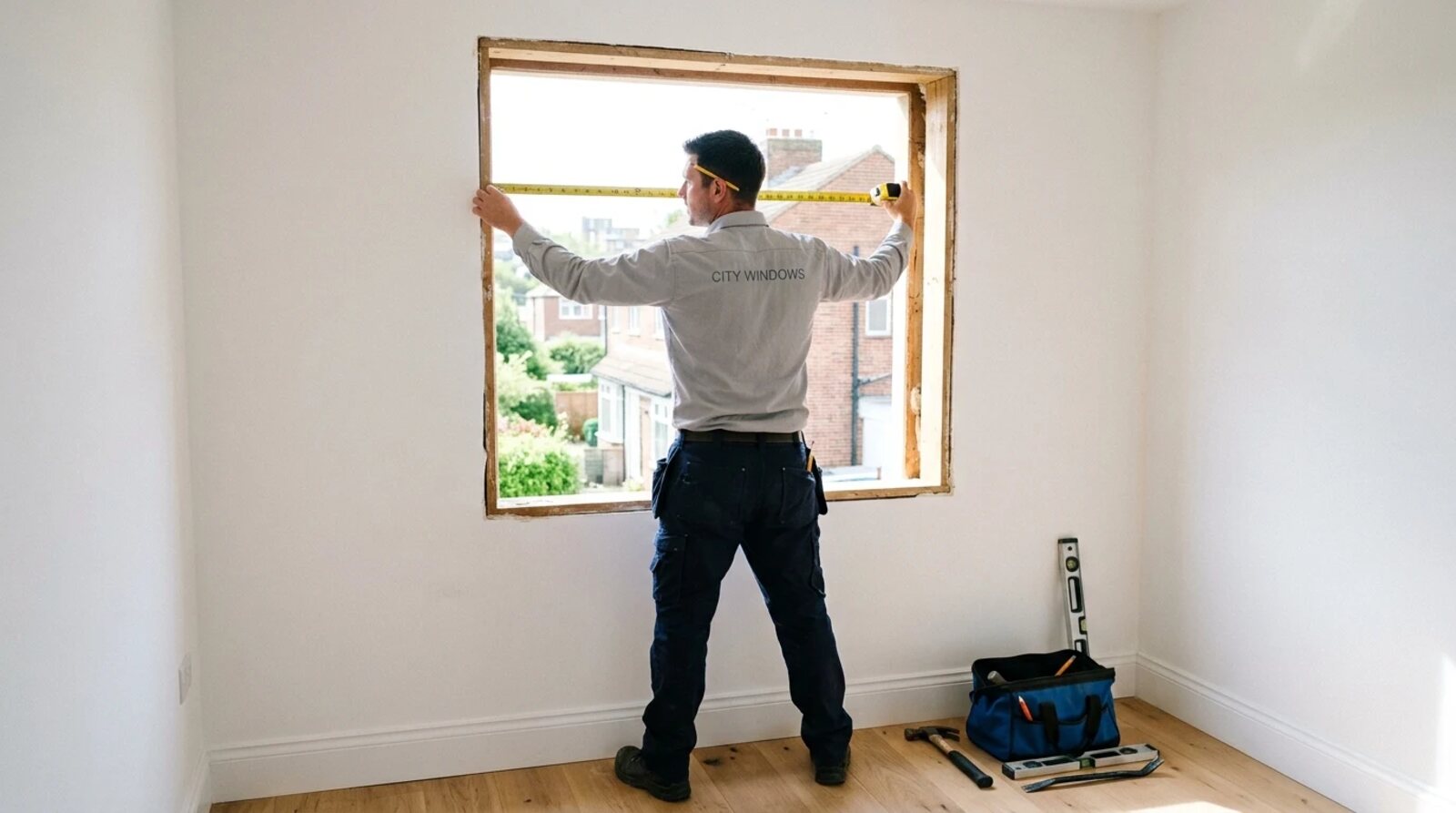
We do not make or fit windows. We connect people and explain.
Towns near Guimarães
Not in Guimarães? These are the municipalities around it, in the Ave and the Minho.
Cannot find your area? Write it in the request.
Granite and cold walls
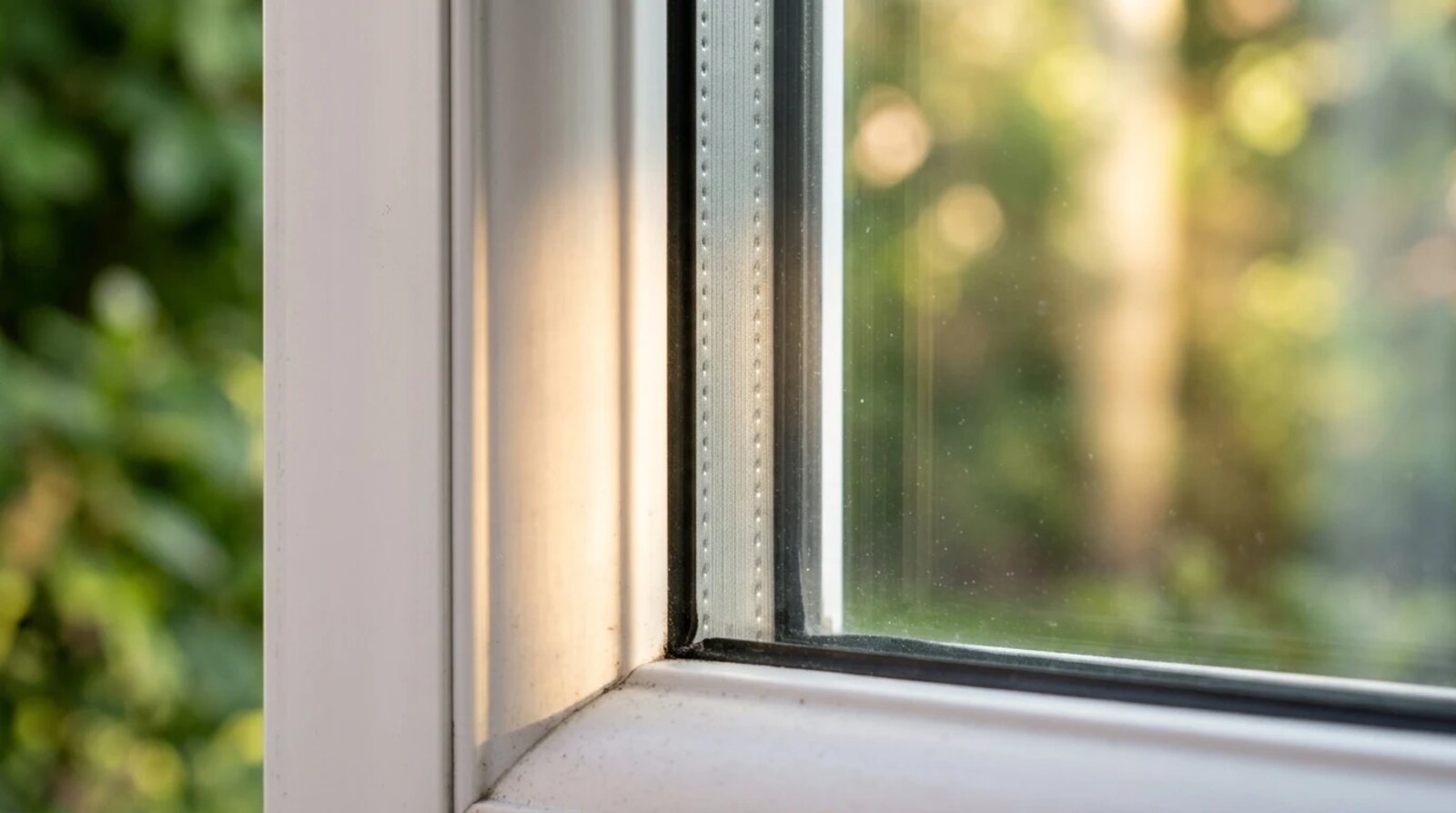
Granite rules in Guimarães: in houses, walls and squares. Thick stone walls hold cold and damp. Before replacing windows:
- Check for damp patches in the granite around the opening.
- Ask for a well-sealed joint between window and stone.
- In old houses, confirm what changes on the facade.
A new window in a cold wall helps, but does not fix it alone: wall insulation counts too.
The Ave valley, factory after factory
The Ave valley is one of the most industrialised areas in the country, and Guimarães had spinning and weaving. That left workers’ houses and old sheds scattered across the municipality:
- Workers’ houses tend to have small windows and simple walls, and lose a lot of heat.
- Sheds and buildings converted to housing may have large, poorly insulated windows.
- Newer districts have blocks with better windows, but avenue noise weighs.
Tell the installer what kind of building it is, so they can see what can be improved.
General notes
How do I keep out the cold in a granite house?
By insulating the window and the wall around it. With a good frame, good sealing and double glazing, the home loses less heat. The wall may still be cold, so seeing the opening on site is important. An insulated shutter box also helps.
Can I change windows in the UNESCO-listed area?
The listed area has its own rules for how houses look. Go to the city council first and only then choose the colour and design of the window. In 2023 the listing was extended to the Couros area, so check whether your street is included.
Is triple glazing worth it in Guimarães winters?
In cold, very exposed homes triple can be worth it; elsewhere double is usually enough. Ask the installer for both solutions side by side. Triple is heavier, so the frame must be ready for it.
Why do I get mould in the corners of a stone house?
Cold stone and damp valley air help mould form in corners. Airing every day and windows with their own ventilation help, but if the damp comes from the wall it is worth finding the cause. A new, well-sealed window helps the home feel less damp.
I have a worker's house from the factory era. Is it worth replacing the windows?
Often yes, because old windows are thin and lose heat. Ask the installer to look at the wall and the opening first. If the house has historic interest, ask the council.
I live in Creixomil, Azurém or Ponte. Can I ask?
Yes. Write the parish in the request. Installers covering that area receive it. If you know the altitude and orientation of the house, say so too.
Related guides
- PVC window buying guide: what to compareHow to ask for a quote, what to check before you sign, which questions to ask and which warranties to request.
- Window problems: condensation, cold, noise and leaksCondensation (also between the panes), draughts, leaks, noise, mould: the most common window problems and what to do.6 min
- Window comparison: PVC, aluminium and glass typesPVC or aluminium? Double or triple glazing? Compare the most common choices in plain words.
- 10 questions to ask a window installerThe 10 questions to ask the installer, each with the reason, to see whether the quote is serious.5 min
Prefer a call back?
Leave your name and mobile number. Your town is already filled in. Free, no obligation.
Do you install windows in Guimarães?
Receive requests from customers in your area.
I want to be a partner