PVC window installation in Beja
Tell us where, and we will call you. Measure your opening on the drawing, leave your mobile number and installers in your area send quotes.
- Town
- Beja
- District
- Beja
- Position
- 38°02′ N · 7°53′ W
- Tilt and turn: opens to the side and tilts for fresh air.
What will it cost? Start with the sizes
Window type
Material
Colour
Sizes
Between 600 and 1800 mm
Between 300 and 2200 mm
A rough size is fine.
Extras
Window schedule
Each row is one window. Tap its mark (J1, J2…) to edit it.
No windows on the list yet. Set one up and tap “Add to the list”.
Pick a type and sizes, then add the window to the list to see the square metres.
Get an estimate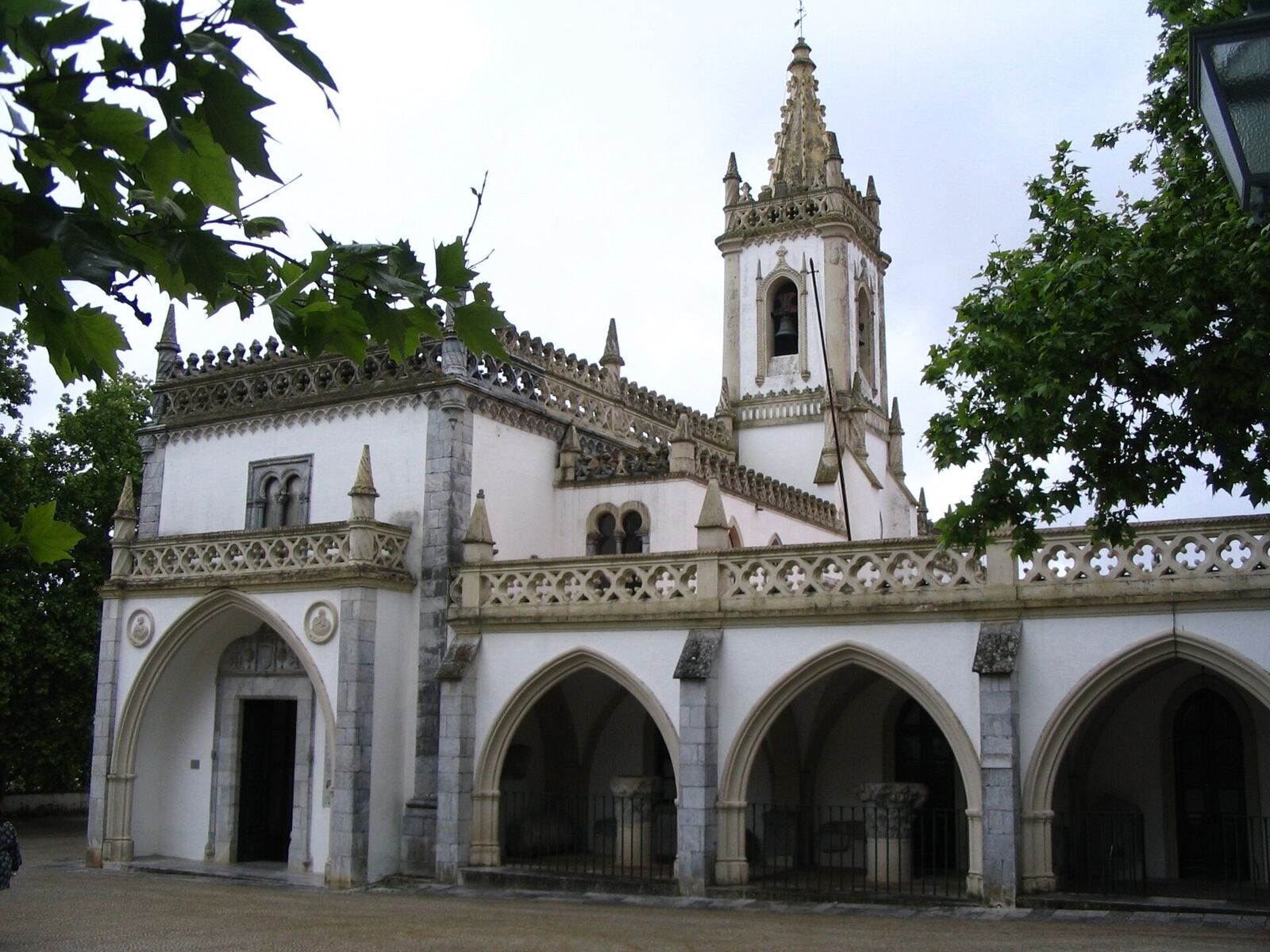
About Beja
Beja is the capital of the Beja district and of the Lower Alentejo, on an open plain in the south of the interior. The municipality covers about 1,106 km², has 12 parishes and just over 33,000 inhabitants (2021), of whom close to 22,400 live in the town. It borders Cuba, Vidigueira, Serpa, Mértola, Castro Verde, Aljustrel and Ferreira do Alentejo.
Wikipedia believes the town was founded around 400 BC by the Celts, and that the Carthaginians were here in the 3rd century BC, before the Romans arrived. The region was strongly Romanised. Another figure of the town is the nun Mariana Alcoforado, subject of a well-known legend. In the old Convent of Nossa Senhora da Conceição, founded in 1459, is now the Queen Leonor Museum.
The main sources of income are services, trade and farming. Wheat used to stand out; today, with irrigation from the Alqueva dam, olive groves and vineyards are growing, and almond orchards are expanding. Agro-industry has weight, and the airport brought an aircraft maintenance hangar, opened in 2021. The town has a Polytechnic Institute, a hospital and the Ovibeja fair.
For people living here, the long, hot summer weighs more than winter, and the open plain brings sun and wind.
What the climate of Beja asks of windows
According to Wikipedia, Beja has a Mediterranean climate (type Csa), influenced by the distance from the coast, with mild winters and long, hot summers. January's high is 14 °C and July's 32.8 °C, and lows are 5 °C and 16 °C. The yearly average is around 17 °C and about 572 mm of rain falls. Snow is not common, but can happen. Records of 45.4 °C and -5.5 °C have been logged.
Beja sits on an open plain in the Lower Alentejo, far from the sea. There is no salt in the air, but there is a lot of sun and a lot of field dust.
Summer is long and very hot, winter mild and short. The window works mainly against the heat.
- Plain wind and dust
On the open plain, wind raises dry dust from the fields and carries it to the windows. A continuous seal keeps dust out, and clear tracks make the window run well. On strongly windy days, windows facing the countryside feel it more.
- Dry inland air
Far from the sea, the air is dry and there is no salt. PVC, or aluminium with a good finish, cope with nothing more than a cleaning. In this climate, the window's enemy is the sun, more than damp, and gaskets should be good quality so they do not dry out.
- Mild winter, cold nights
Winters are mild and rain is moderate, but there are cold nights, and it has dropped to -5.5 °C. A good frame avoids cold walls. Double glazing is usually enough, and triple only pays off in special cases, such as north-facing walls.
- Long, hot summer
Summers are long, with high July maxima and peaks above 45 °C. This is where glass and shade count most. Outside blinds, solar-control glass and light colours on the profile hold the heat back and keep the house cooler.
| Condition | Level | Climate sheet |
|---|---|---|
| Summer | High | Hot and long. |
| Winter | Low | Mild; snow is not common. |
| Rain | Low | Little rain, outside summer. |
| Humidity | Low | Inland climate, far from the coast. |
| Sun | High | Strong sun for many months. |
Levels for comparison, not measurements.
Solutions table for Beja
| Window | Glass | |||
|---|---|---|---|---|
| Local condition | PVC | Aluminium | Double glazing | Triple glazing |
Plain wind and dust | SuitableA continuous seal: the open plain brings wind and dust. | SuitableCopes well. Check the seals and the lock. | SuitableChanges little here. The seal matters more. | Needs careHeavier: hardware and frame must be able to carry it. |
Dry inland air | SuitableCopes with dry air without painting and cleans easily. | SuitableWith no salt in the air, aluminium gives few problems. Wipe off dust. | SuitableDry air and dust do not affect the glass. | SuitableSame as double glazing on this point. |
Mild winter, cold nights | SuitableInsulates well on cold winter nights. | Needs careWithout a thermal break, the frame gets cold on cold nights. | SuitableA good step up from single glass. | It dependsMild winters: only worth it on cold or north-facing walls. |
Long, hot summer | It dependsLight profiles heat up less. Dark colours suffer in strong sun. | It dependsHeats up in strong sun. A thermal break performs better. | It dependsIn strong heat, the solar control of the glass matters a lot. | It dependsInsulates, but without solar control the sun still comes in. |
- Suitable
- Needs care
- It depends
In Beja, the long summer rules. The installer confirms on site what suits your home.
Homes in Beja
The homes in the area change what is worth asking of the windows.
Historic centre
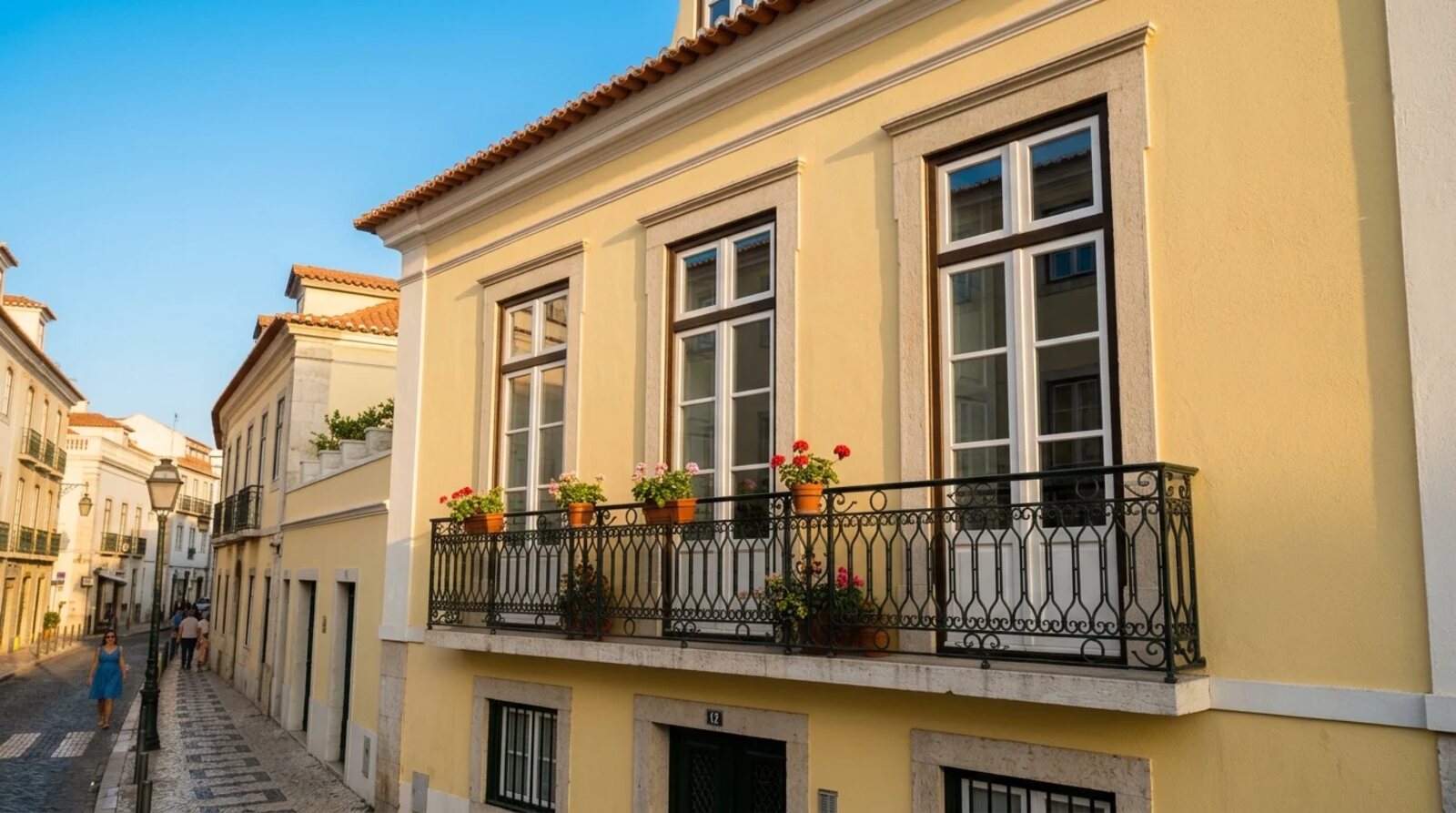
In the centre there are old streets and whitewashed houses, near the convents. Old windows, tall and of varied shapes, call for careful measuring and often made-to-measure windows. In an old area there may be facade rules: ask the council before ordering.
Traditional houses
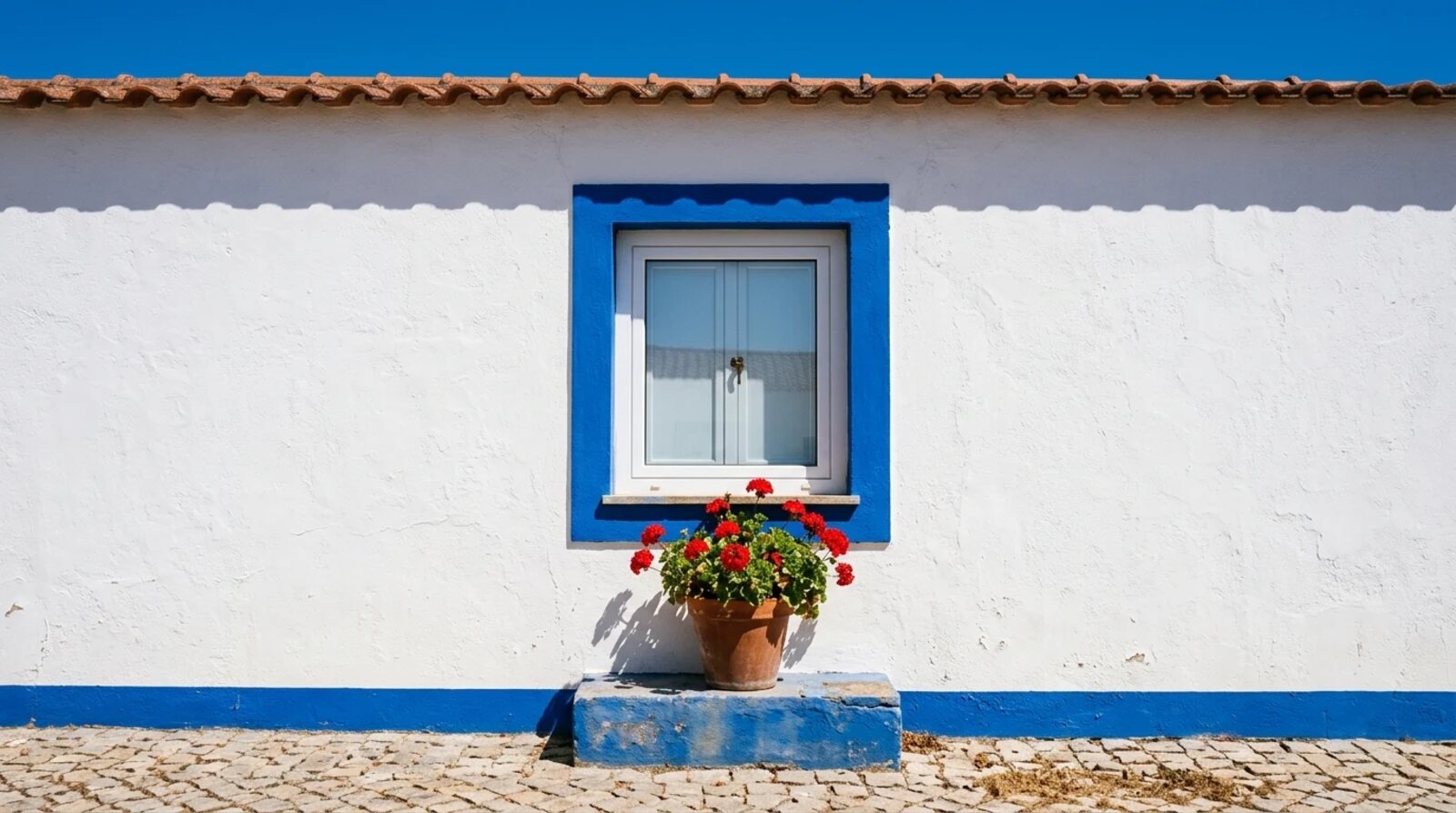
The low whitewashed houses of the Lower Alentejo have thick walls, built for the heat. Old windows let in sun and dust. Replacing them improves comfort, but shade outside remains the first defence against heat.
Detached and semi-detached houses
Around the town there are houses and farmsteads on open ground, with a lot of exposure to sun and wind. They have more walls in the open air and more windows to seal. It is worth planning the work facade by facade and starting with those facing south and west.
How it works
Tell us what you need
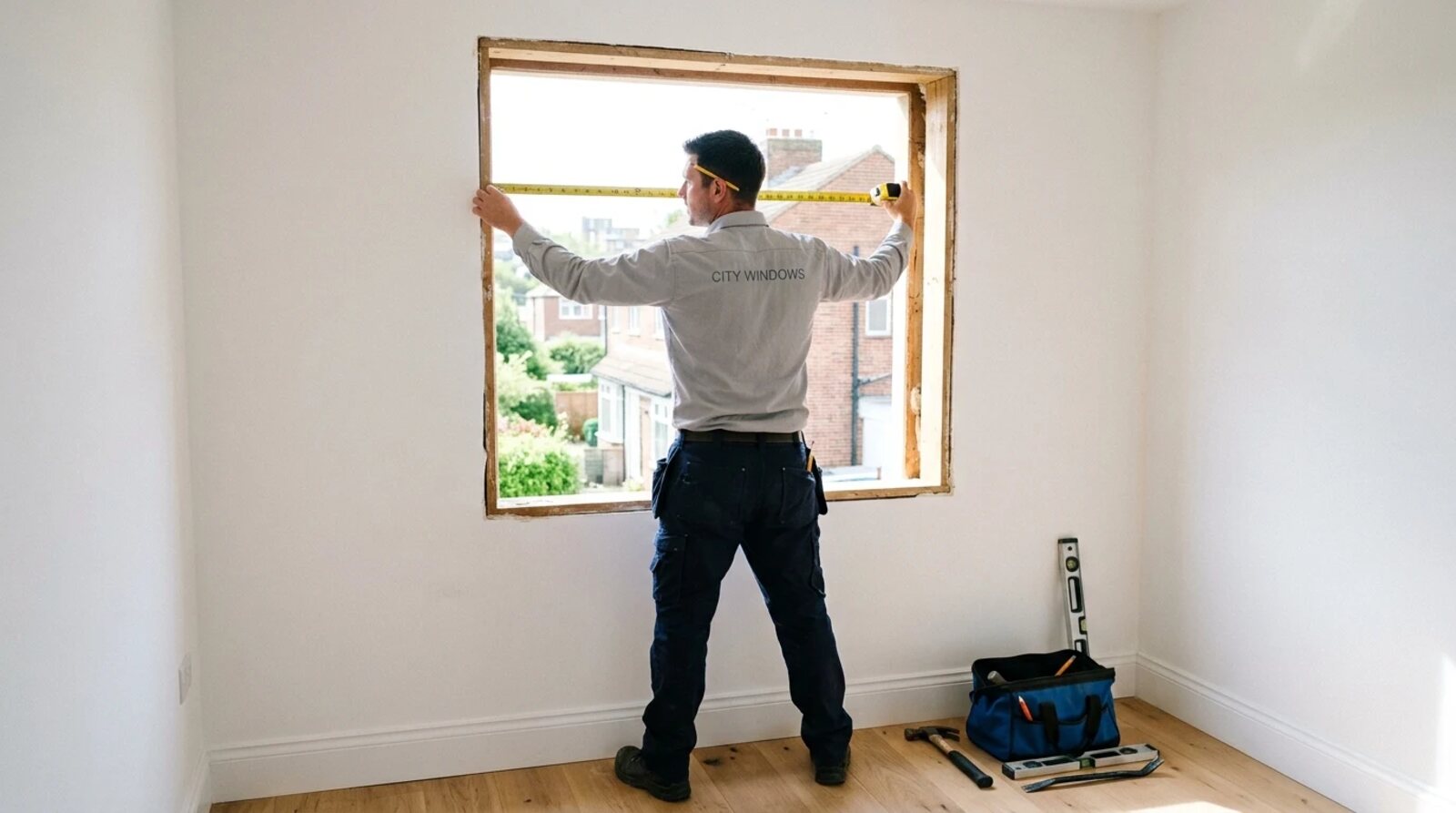
Measure the opening on the drawing and confirm your town.
We call and answer your questions
Plain words, no rush, no obligation.
We pass your request on and you get quotes
Your request goes to installers in your area. They are the ones who send you quotes.
We do not make or fit windows. We connect people and explain.
Towns near Beja
Live in another municipality of the Lower Alentejo? These lie around Beja. Write your town in the request.
Cannot find your area? Write it in the request.
Beja in photos
Long summers and 45-degree days
In Beja the highest temperature has reached 45.4 °C, and July’s average high hovers around 32.8 °C, according to Wikipedia. With summers this long, the essential thing is to stop the sun before the glass.
Outside blinds, solar-control glass and light colours are the measures that help most. Ventilating at night, when the temperature drops to about 16 °C, and closing up in the morning keeps the house cooler. A well-sealed window helps keep the day’s hot air out.
Farming, water and the countryside at the door
Beja lives a lot from farming. With water from the Alqueva, olive groves, vineyards and almond orchards now occupy what used to be wheat. That changes the landscape around the town: more irrigation and more farming activity.
People living in a house in the countryside or on a farmstead find more soil dust, more wind and more sun head on. Ask for a reinforced seal, hardware that is easy to clean and shade outside. Tell the installer whether the house is lived in all year, because the ventilation needed is different in a house closed half the time.
General notes
Is Beja really that hot?
Wikipedia records a maximum of 45.4 °C and long, hot summers. So shade outside counts as much as the glass. Outside blinds, louvres or shutters make a lot of difference in the hottest months.
Are dark frame colours a good idea in the Alentejo sun?
They heat up more in strong sun. Light colours are safer, and a quality profile copes better. If you really want a dark colour, ask the installer how the profile behaves in the afternoon sun and what the warranty is.
Do windows protect from field dust?
A continuous seal stops most of the dust. Clear tracks and regular cleaning do the rest. In sliding windows, dust builds up in the tracks, so ask for tracks that are easy to clean.
Is winter cold a problem in Beja?
Winters are mild, but it has dropped to -5.5 °C. For those nights double glazing and an insulating frame are enough. Triple only pays off on very cold or very exposed walls.
I live on a farmstead, far from town. Can I ask?
Yes. Give your locality; we do not install, we only pass the request on. Also say whether the house is isolated and whether it is lived in all year. That helps choose the ventilation and hardware.
I live in Serpa or Vidigueira. Can I ask?
Yes. Write your locality in the request and we pass it on to installers in that area. The Lower Alentejo plain is similar in the neighbouring municipalities, so heat, sun and dust weigh in a similar way.
Related guides
- PVC window buying guide: what to compareHow to ask for a quote, what to check before you sign, which questions to ask and which warranties to request.
- Window problems: condensation, cold, noise and leaksCondensation (also between the panes), draughts, leaks, noise, mould: the most common window problems and what to do.6 min
- Window comparison: PVC, aluminium and glass typesPVC or aluminium? Double or triple glazing? Compare the most common choices in plain words.
- 10 questions to ask a window installerThe 10 questions to ask the installer, each with the reason, to see whether the quote is serious.5 min
Prefer a call back?
Leave your name and mobile number. Your town is already filled in. Free, no obligation.