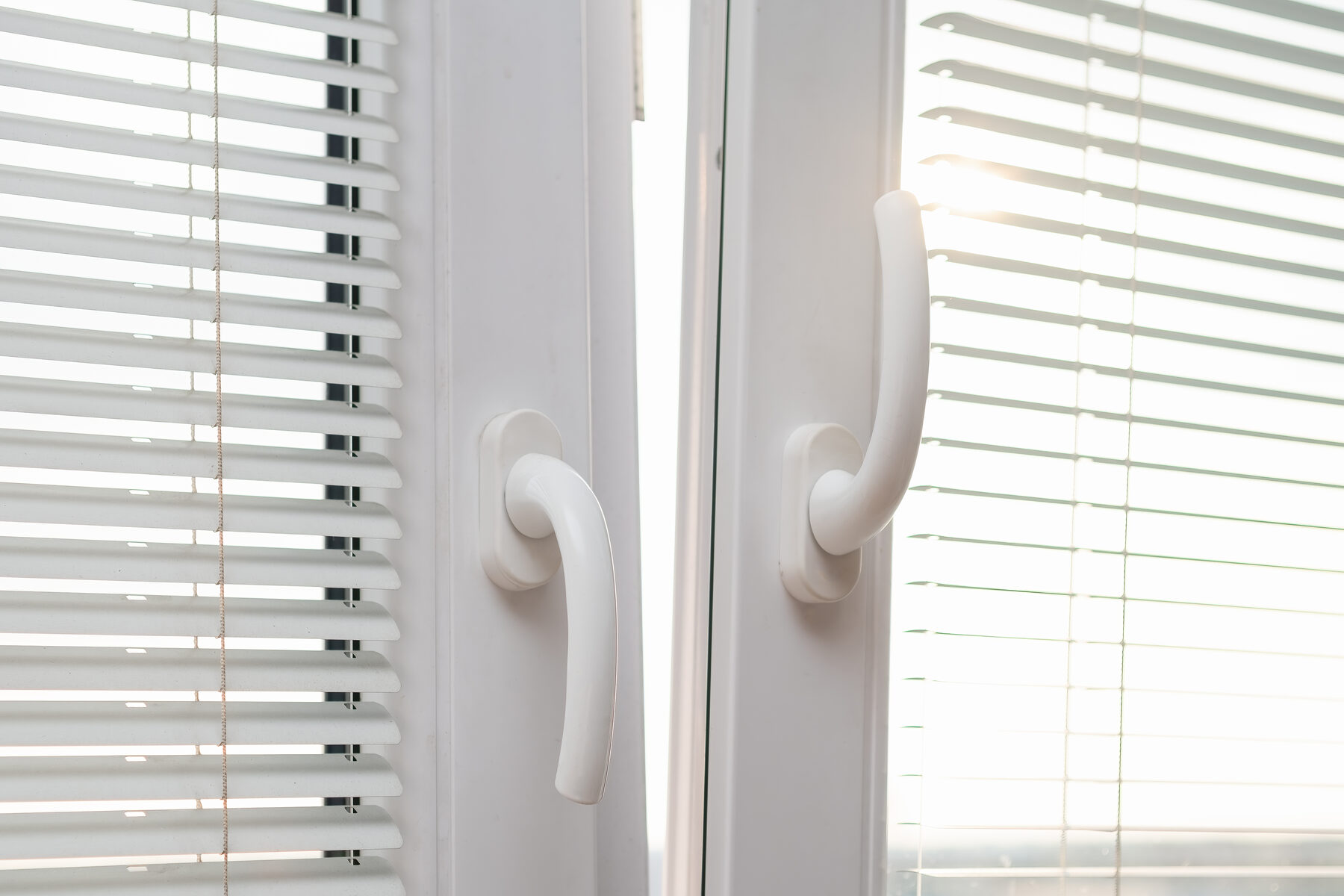
The roller shutter box is the space above the window where the shutter rolls up when it is open. From inside you see a cover, and behind it there is a hollow in the wall. That hollow connects your room to the outside more than it looks. Some people change their windows and still feel cold or hear the street. Often the box was never treated.
On Portuguese quotes the shutter is called an estore and the box a caixa de estore. This guide explains why the box is a weak point, which types exist in Portugal, what to do with it when you replace the windows, and what the quote should say. We give no prices: they depend on the house.
Why the box is the weak point
The box is a hole in the wall closed by a thin cover. Four problems tend to come together:
- Thermal bridge. A spot where heat travels faster than through the wall around it. Portaria 138-I/2021, on the energy performance of buildings, names roller shutter boxes as an example of “flat thermal bridges”, next to beams and pillars.
- Air leaks. Air gets through the cover, the joints with the wall and the opening for the strap or crank. A German maker of retrofit panels says that in older buildings the box is often separated from the room by thin panels only, causing draughts and cold spots.
- Noise. Where air passes, sound passes. To test, close the window, then the shutter: if the noise changes a lot, the box is the problem. See sound insulation for windows.
- Damp and mould. A cold spot indoors is where moisture from breathing and showers condenses. Manufacturers and DIY guides link the box’s thermal bridges to mould. See window condensation.
This happens even with an excellent window. So the box belongs in the conversation before you order.
Common types of box
| Type | What it is | What is usually good | What to ask |
|---|---|---|---|
| Box in the wall (interior) | Part of the building, above the opening, with a cover inside | Not visible from outside | What it is made of, what it looks like inside, whether the cover seals |
| Box built into the window | A unit supplied with the window, sometimes called “monobloco” | Window and box arrive as one set | How much glass height you lose, whether the cover opens inside or outside |
| External box on top of the frame | Visible on the facade above the window | Does not depend on the wall | How it connects to the wall, and whether the building allows facade changes |
For any type, ask whether the set arrives pre-assembled or is put together on site. Names vary between companies: ask the quote to describe the box in words and with a simple drawing, instead of “shutter included”.
What happens to the box when you replace windows
There are three routes. Ask the installer which one they propose and why.
1. Keep the box and insulate it
The existing box is insulated from inside, without touching the wall. Less work and less dust. It only makes sense if the box is sound and dry and the shutter works well.
2. Replace with an integrated box
The old box comes out and a new one, connected to the window, goes in. It gives the most complete result but is more work: the top of the opening is opened up, with rubble, finishing and painting. It can also reduce the glass height, so confirm the final height on the drawing before approving.
3. Remove the shutter and close the box
If you never use the shutter, the box can be closed and insulated. You lose shade and privacy, and some buildings have facade rules. Think about summer.
The cost of each route depends on the opening, the wall and what is already there. Ask how long it takes and whether the house is left without shutters during the works. See also replacing old windows and PVC window installation.
How to insulate an existing box
What we found in technical sources comes down to three actions:
- Seal the cover. A cover that does not close tight is an open hole. It should close well and stay accessible, so the motor or strap can be repaired.
- Insulate the inside walls of the box. Polystyrene boards are cut to size and fixed with foam. The German manufacturer we consulted presents these panels as a solution for old boxes, without replacing the window or the box.
- Seal the strap or crank opening. A German DIY guide says the seal there is often missing or incomplete and suggests a brush seal.
Two cautions. Insulating without looking inside the box can trap damp that was already there: ask them to check for stains or mould before closing it. And we found no independent source on how much you gain, so be wary of promises in percentages.
Strap, crank or motor
- Strap: the most common. The strap enters the box through an opening, which is a path for air.
- Crank: it also passes through the wall or the cover, so that passage must be sealed.
- Electric motor: convenient for large or heavy shutters. It does not need the strap opening, but the cover still has to be accessible.
If you choose a motor, ask for in writing: the brand and model, the motor warranty (separate from the window’s), how the shutter opens if the power fails (manual override) and whether the cover lets them replace the motor without breaking the wall.
Slats: PVC or aluminium
Slats are the strips that make up the shutter. The usual ones are PVC or aluminium with polyurethane foam inside. We looked for an independent comparison of thermal performance and security between the two materials and did not find one. DECO PROteste, the Portuguese consumer body, told a reader that no tests of shutters had been carried out so far. Ask for the maker’s datasheet and compare what is written.
What helps in summer, according to ADENE, is shading, which limits the heat coming in, and natural ventilation at night to remove stored heat. A closed external shutter stops the sun before it reaches the glass.
Ventilation and the box
A well-sealed box and new windows make the house tighter. That helps with the cold, but air renews itself less. After sealing, airing becomes part of the routine, especially in the kitchen and bathrooms.
Before replacing the windows, check the shutter
- What type of box do you have? Photograph it with the cover open.
- Any stains, mould or rust inside?
- Does the shutter move up and down without force? Is the strap worn?
- Do you want to keep, replace or remove the shutter? Write it in your request.
- Was the final glass height confirmed on the drawing?
- Does it say who closes the wall and repaints afterwards?
What to write in the quote
Ask for separate lines for: type of box, insulation (material and where), sealing of the cover and the strap passage, motor (brand, model, warranty), removal of the old box and finishing of the wall. If it only says “shutters”, almost everything is missing. See how to read a window quote.
Sources
- Informador: Portaria n.º 138-I/2021: its definitions article lists roller shutter boxes among flat thermal bridges. Text on a secondary site, check on dre.pt.
- Beck+Heun: Rollladenkasten-Dämmung: a maker of retrofit panels; source for old boxes with thin panels, draughts, thermal bridges and polystyrene panels.
- Heimwerker.de: Rollladenkasten dämmen: DIY guide; source for the brush seal on the strap opening and fixing boards with foam.
- ADENE: 3 perguntas a Laura Aelenei: shading and natural ventilation, mainly at night, as summer strategies.
- DECO PROteste: Quais os melhores estores? PVC ou alumínio térmico?: reply that no tests of shutters had been carried out.
What to do next
- Estimate the cost of changing your windows with the calculator.
- Already have a quote? Use the quote checker.
- No measurements yet? See how to measure windows.