PVC window installation in Setúbal
Tell us where, and companies in your area send you quotes. Measure your opening on the drawing and leave your phone number. Free, no obligation.
- Town
- Setúbal
- District
- Setúbal
- Position
- 38°31′ N · 8°53′ W
- Tilt and turn: opens to the side and tilts for fresh air.
What will it cost? Start with the sizes
Window type
Material
Colour
Sizes
Between 600 and 1800 mm
Between 300 and 2200 mm
A rough size is fine.
Extras
Window schedule
Each row is one window. Tap its mark (J1, J2…) to edit it.
No windows on the list yet. Set one up and tap “Add to the list”.
Pick a type and sizes, then add the window to the list to see the square metres.
Get quotes
About Setúbal
Setúbal is a district capital in the Lisbon Metropolitan Area, about 32 km from the capital, on the north bank of the Sado mouth, with the Arrábida hills to the west. The city has about 90,000 inhabitants and is the ninth largest in the country. The municipality has over 123,000 (2021), 230 km² and five parishes, and borders Sesimbra, Barreiro and Palmela. To the south is the Sado estuary, and across it lies the Tróia peninsula.
It was a big fish-canning city. The factories were known across the country, and the Saboaria and Fontainhas areas concentrated industry during the 20th century. Today the Saboaria has restaurants, bars and clubs. The port and fishing still count, and the estuary is known for its dolphins.
There are fishermen’s districts such as Troino and Fontainhas, the latter settled since the 17th century by people from the Aveiro area, with narrow streets, wells and a steep slope. The Salgado district, near the centre, was traditionally the bourgeois district in the early 20th century.
The Convento de Jesus, by Diogo Boitaca, the same master as the Jerónimos, is one of the oldest buildings. Nearby, the Arrábida hills and the Arrábida Convent give the area the air of a protected landscape.
What the climate of Setúbal asks of windows
Setúbal has a Mediterranean climate, beside the Arrábida hills and the Sado estuary. Summers are hot and dry, and the sun beats hard on south- and west-facing windows. Winters are mild, but damp by the water. Wind comes off the estuary and the sea, and damp is felt more in the low districts by the river. Wikipedia gives no climate figures, so talk to the installer about your home's orientation, which decides much of the heat and damp that get in.
Setúbal sits at the mouth of the Sado, tucked against the Arrábida. By the water there is wind, salt and damp, and summers are hot. Across the estuary you can see Tróia.
Many homes in the city are old, and old windows let in cold, heat and noise. Choosing and fitting new ones calls for care.
- Wind from the sea and the estuary
Wind comes off the water and carries rain against the glass, and in tall buildings on the waterfront it is felt more. Seals in good order and a precise fitting prevent draughts. Ask the installer to check how the window is fixed to the wall and the shutter box.
- Salty air
Over the years salt wears handles and hinges that are less protected, especially near the river and the port. It pays to choose the hardware well and rinse the window with fresh water now and then. Away from the water, the problem is smaller.
- Damp by the estuary
Beside the Sado the air is damper, and old houses with thick walls hold that water. Without airing, the glass mists up and there is mould in the corners, especially on low floors and narrow streets. Ventilating and having windows that seal well stops the problem.
- Sun and summer heat
In the hot months, south- and west-facing windows heat the room, especially in blocks without balconies. Suitable glass and shutters outside help keep the home cool. On the narrow streets of the centre, less sun comes in, and the problem is different.
| Condition | Level | Climate sheet |
|---|---|---|
| Summer | High | Hot, especially for west-facing windows. |
| Winter | Medium | Mild, but damp by the estuary. |
| Wind | Medium | Comes off the sea and the estuary. |
| Humidity | Medium | Higher nearer the water. |
| Sun | High | Lots of sun in summer. |
Levels for comparison, not measurements.
SourcesSetúbal, Wikipédia
Climate zone of Setúbal
Portugal's building energy rules put every place in a winter zone (I1 to I3) and a summer zone (V1 to V3). In Setúbal the zone depends on the altitude of the building, so we show the ranges.
| Building altitude | Winter zone | Maximum Uw, W/(m²·°C) |
|---|---|---|
| up to 217 m | I1 | 2.80 |
| from 218 to 550 m | I2 | 2.40 |
| above 551 m | I3 | 2.20 |
Summer zone: V3: up to 206 m; V2: from 207 to 606 m; V1: above 607 m
Maximum solar factor of windows (gtot,máx): up to 206 m, V3: 0.10 in weak-inertia spaces and 0.50 in medium or strong inertia spaces; from 207 to 606 m, V2: 0.10 in weak-inertia spaces and 0.56 in medium or strong inertia spaces; above 607 m, V1: 0.15 in weak-inertia spaces and 0.56 in medium or strong inertia spaces. The value is for the opening with the solar protection fully activated. North-facing windows are exempt. What is the solar factor?
The maximum Uw applies to windows in housing in new and renovated buildings (Portaria n.º 138-I/2021), with exceptions, for example conservation works. The zone is calculated with the Manual SCE method, from the region (NUTS III) and the altitude, not by parish. Ask the designer or an SCE expert to confirm the one for your building. Checked on 19 October 2026. What is Uw?
Solutions table for Setúbal
| Window | Glass | |||
|---|---|---|---|---|
| Local condition | PVC | Aluminium | Double glazing | Triple glazing |
Wind from the sea and the estuary | SuitableGood, with good seals and careful installation. | SuitableHolds up well. Check the seals and the installation. | SuitableWind matters little when choosing the glass. | Needs careIt is heavier. The window and the hardware must carry the weight. |
Salty air | SuitableThe frame does not rust. The hardware must resist salt. | Needs careNeeds a good finish and regular cleaning near the water. | SuitableGlass is not harmed by salt. | SuitableSame as double glazing on this point. |
Damp by the estuary | SuitableInsulates well against cold, which helps avoid water on the glass. | Needs careNeeds a thermal break: a barrier that stops cold travelling through the frame. | SuitableThe inner pane stays less cold than with single glazing. | SuitableThe inner pane stays even less cold. You still need to air the home. |
Sun and summer heat | SuitableGood in summer and in winter. Light colours heat up less. | It dependsDepends on the frame and the colour. With a thermal break, it is better in summer. | It dependsFor the heat there are glasses with a solar coating. Ask the installer. | It dependsIt holds the heat in, but the sun still comes in. For west-facing windows, ask about glass with a solar coating. |
- Suitable
- Needs care
- It depends
In old buildings, ask the installer to look at the wall around the window. They confirm everything on site.
Homes in Setúbal
The homes in the area change what is worth asking of the windows.
Older apartment blocks
In the centre, old buildings have tall windows and thick walls. Old windows lose heat and let noise in. The fitting has to respect the old wall, and that decides the result. In fishermen's districts such as Fontainhas, streets are narrow and steep, and access is something to agree.
New apartments
In newer buildings, the weak point is usually the sealing of the windows and the summer sun coming through the glass. Shutter boxes and balcony doors are where most air passes. The residents' association usually decides how facade windows look.
Detached and semi-detached houses
Around the city there are houses with large windows, facing the estuary or the hills. Suitable glass and shutters outside help in summer. Near the Arrábida, the air is cooler and damper in the morning, and windows weigh on the heating bill.
How it works
Tell us what you need
Measure the opening on the drawing and confirm your town.
We pass your request to the right companies
We process your request and send it to the local companies that best fit your town and what you asked for.
The companies contact you with quotes
They get in touch and send you their quotes and offers. Compare them and choose, with no obligation.
We do not make or fit windows. We pass your request on and explain.
Towns near Setúbal
Do not live right in Setúbal? These are the places around it, each with its own page.
Cannot find your area? Write it in the request.
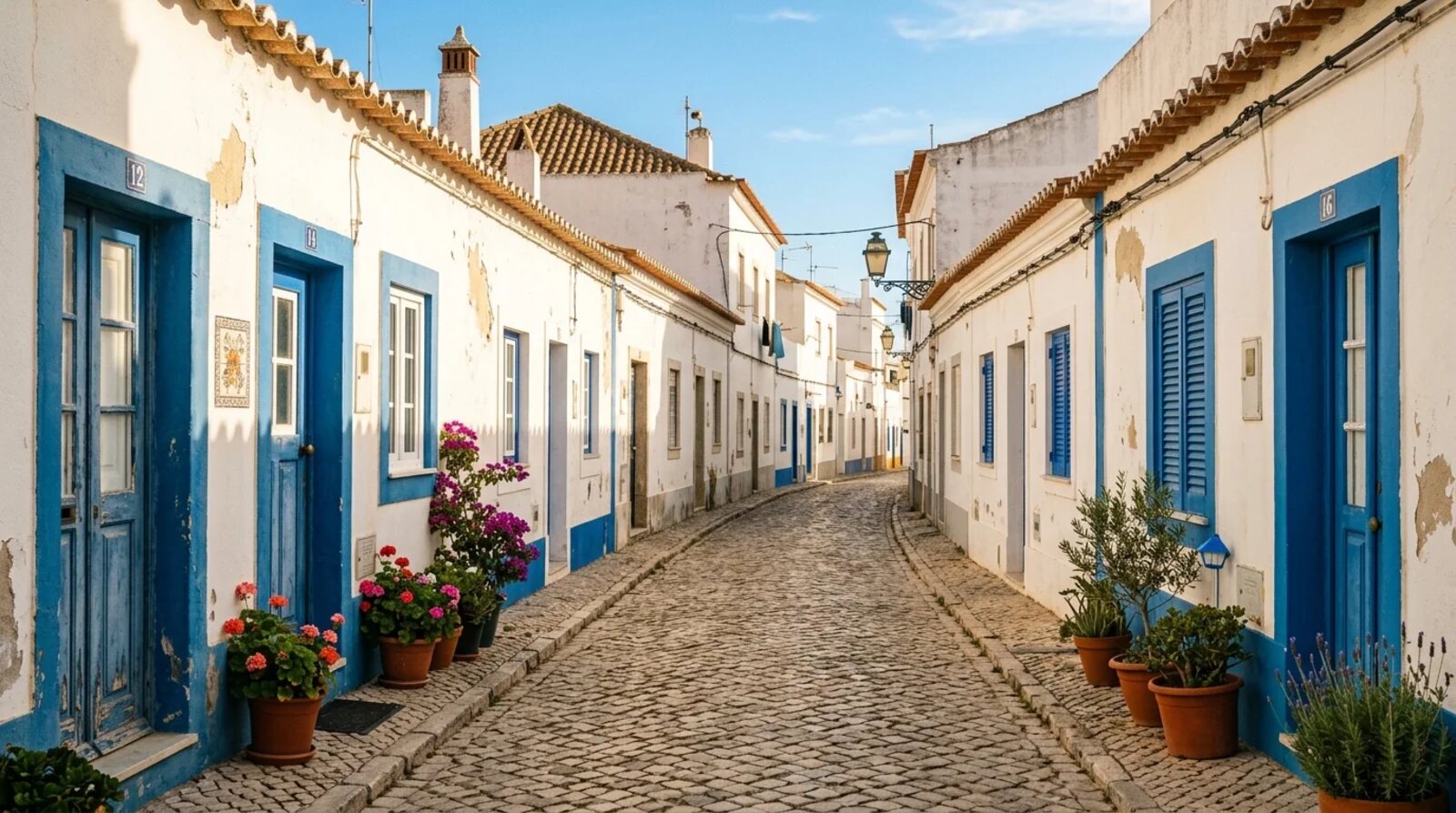
Setúbal in photos
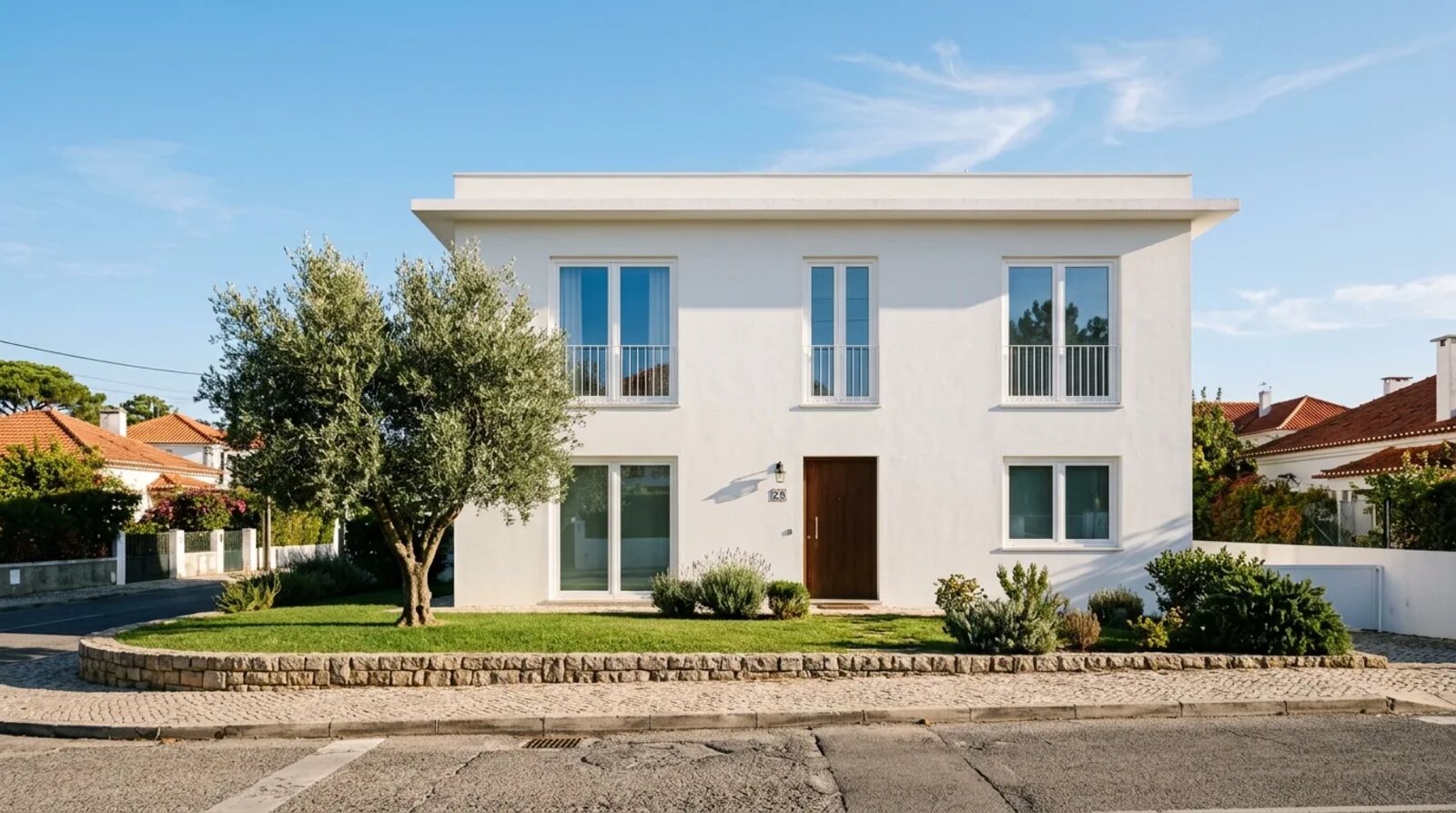
Old building: before asking for quotes
If you live in an old building in the centre, start with four steps:
- check the residents’ rules for what can be changed on the facade;
- ask the town council whether the area is protected;
- look at the plaster and sill around the window;
- ask the installer to look at everything on site.
Buildings centuries old have thick walls, and the new window has to fit them well. Show photos of the current window, inside and out, when asking for a quote.
Fontainhas and fishermen's districts
Setúbal has traditional fishermen’s districts, such as Troino and Fontainhas. Fontainhas began to be settled around the 17th century, mostly by people from Aveiro, and is made of many lanes, wells and a steep slope.
In those districts the houses are small and close together, and the streets narrow and sloping. To change a window, agree with the installer how the window reaches the house, and check the state of plaster and walls, where estuary damp builds up. Also ask the town council whether the area has facade rules.
General notes
Salt and Sado damp call for well-finished frames and hardware, whether PVC or aluminium. Airing the home every day keeps damp down inside. Ask the installer for advice on the most suitable finish.
Usually yes, but the residents' association or a protected area may set rules. Ask the building administration and the town council first. The installer helps check the state of the wall and sill before the work.
They do. Good glass and good sealing hold back part of the heat, and shutters outside make a difference. Ask about glass with a solar coating, especially for south- and west-facing windows.
A well-sealed window lets through less air and less noise, and double glazing helps too. Installation counts for a lot: the gaps around the frame and the shutter box are where most gets through.
See the guide Double or triple glazing.
Yes. Give your town in the request. We do not install: we pass the request on to installers in that area. See also the nearby areas.
On narrow, sloping streets, access is a practical matter. Tell the installer where you live, send photos of the street and the window, and agree how the material arrives. Made-to-measure windows are usually made elsewhere, so transport counts.
Related guides
- Grant to replace windows in Cascais: Green Fund (70% to 100%)The Cascais Green Fund pays between 70% and 100% of windows, up to €3,000, depending on the IRS bracket. What the Regulation says and what is still unknown.6 min
- Energy-efficiency loan (BPF): who can apply, and for windowsPortaria 442-A/2025/1 creates a loan, not a gift, with class A windows on the list. Who can apply, the certificate required and what is still unknown.5 min
- Vale Eficiência and windows: what happened and what to do in 2026The Vale Eficiência has ended, but the Government announced a new model for about 28,000 families with no voucher. How it worked, the timeline and what to do in each case.6 min
- Independent help before buying windows: Espaço Energia, casA+ and SCE expertsThree ADENE-linked services that can help before you talk to salespeople: what each one offers, and what their pages do not say.4 min
Prefer to get quotes?
Leave your name and phone number. Your town is already filled in. Free, no obligation.
Do you install windows in Setúbal?
Receive requests from customers in your area.
I want to be a partner