Double or triple glazing? It is one of the most common questions when asking for a quote. The honest answer is: it depends on the home, where it is and what you want to improve. Triple glazing insulates more, but it is not always the best choice. See what each one does, what numbers like 4/16/4 mean, what it costs and how to decide.
What each one is
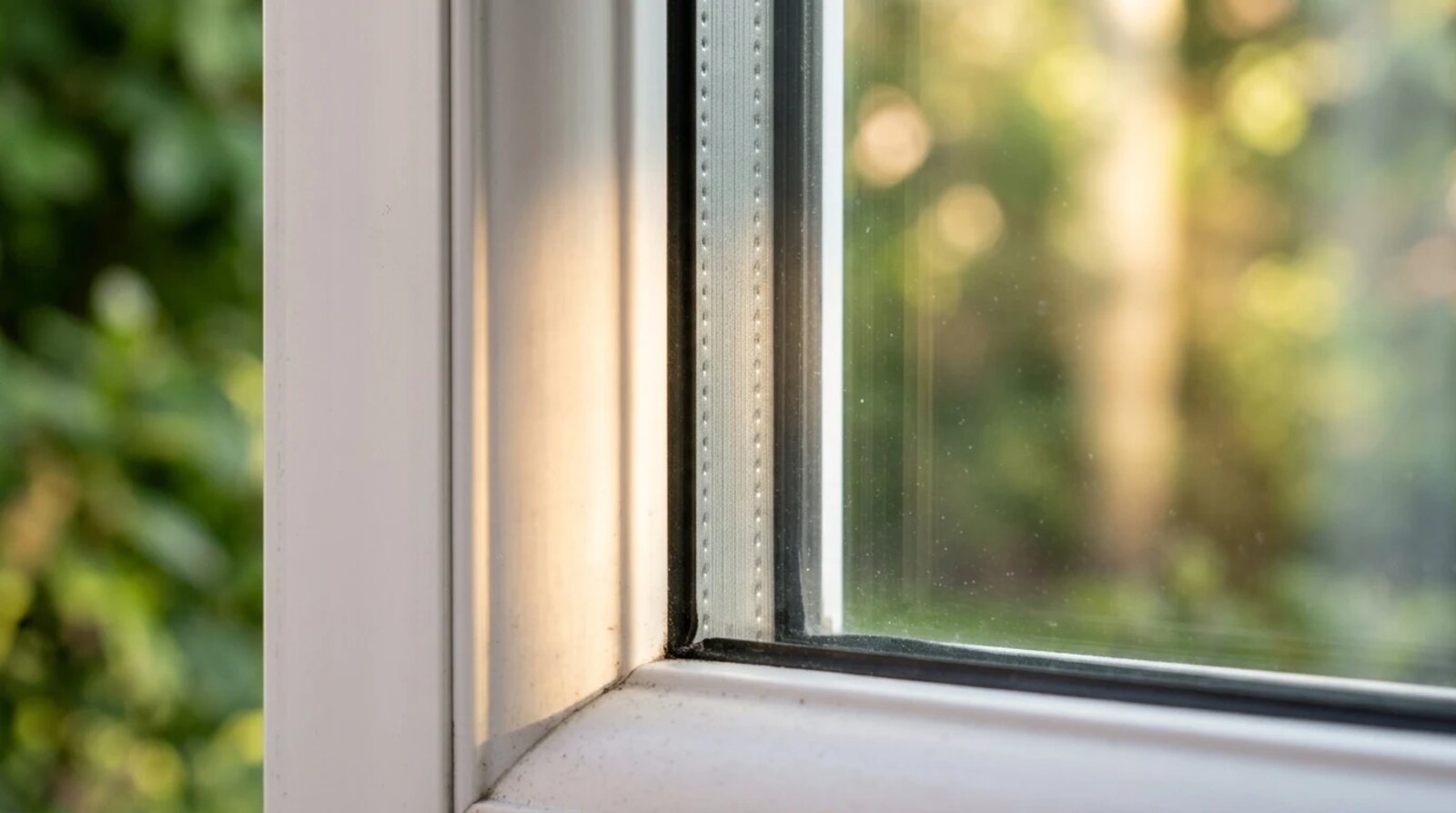
Double glazing has two panes with a sealed space in the middle, the cavity. That space, filled with air or a gas, slows the passage of heat. Triple glazing has three panes and two cavities. It slows more, but it is thicker and heavier.
Good-quality double glazing usually has two extras as well:
- Argon gas in the cavity, instead of air. It conducts less heat.
- Low-E (low emissivity): a nearly invisible coating that helps keep warmth inside the home.
Ug is just the number that measures how much heat passes through the glass. The lower, the better.
Double glazing: thickness and what 4/16/4 means
On a quote, the glass make-up is written like 4/16/4. Read it like this: a 4 mm pane, a 16 mm cavity, another 4 mm pane. The middle number is the gap of air or gas, not a pane. Double glazing is usually 24 to 28 mm thick in total; triple, 36 to 44 mm. That is what the window frame has to carry.
| Make-up | What it means | Reference Ug |
|---|---|---|
| 4/12/4, air, no Low-E | Basic double | about 2.8 |
| 4/16/4, Low-E and argon | Normal double, well specified | 1.0–1.2 |
| 4/16/4/16/4, Low-E and argon | Normal triple | 0.6–0.8 |
| 4/8/4/8/4, Low-E | Triple with narrow cavities | 1.2–1.4 |
Indicative, unverified market reference values (W/m²K). Confirm on the manufacturer’s data sheet.
Two simple conclusions. First, a wider cavity, up to a point, insulates more: a triple with very narrow cavities can be worse than a good double. Second, different thicknesses (for example 4 mm + 6 mm) help against noise, because the two panes do not vibrate the same way. See sound insulation.
Double windows or double glazing?
They are different things and often confused:
- Double glazing: a single window with two sealed panes, with the cavity in between. This is what is sold today.
- Double window (or secondary window): two windows, one inside and one outside, with an air gap between them. Common in older homes.
- Two-sash window: it only means it has two parts that open. It says nothing about the glass.
When asking for a quote, always ask for the glass make-up, not just “double window”.
How much does low-emissivity (Low-E) glass cost
Low-E is now part of normal double glazing. The price depends on the size of the glass, the type of coating (solar-control coatings cost more), the gas, and whether the window is new or only the glass is replaced. Replacing only the glass in an old window is not always possible: the frame has to carry it.
As an indicative reference, per window:
- Low-E double with argon (4/16/4): about €20 to €40 more than basic double;
- double with solar control: €30 to €50 more.
For an average-size home (a 3-bed, about 16 m² of glass), the complete installed window with Low-E double glazing runs €2,500 to €4,500 (see PVC window prices). Always ask for the figure in writing.
Triple glazing: price
Indicative market reference values. Unverified averages, which vary with the region, the product and the installer. Confirm with real quotes. Reference: October 2026.
| Item | Reference |
|---|---|
| Surcharge per window, triple over normal double | €150–250 |
| Installed PVC window, Low-E and argon double | €250–350 per m² |
| The same window with triple glazing | €350–500 per m², 25 to 40% more |
| House with 15 windows (about 25 m²) | €3,000–5,000 more with triple |
| Heating savings (Portuguese climate) | €50–150 per year |
These values come from different sources and do not add up with the table on the price page. If the saving is only in energy, the payback takes many years (20 to 50, according to these references).
Triple glazing: is it worth it?
It can pay off in cold, windy places (northern interior, mountains), on large windows, in homes with a very demanding energy standard, or facing north, with a well-specified triple and wide cavities. The inside pane stays less cold and there is less risk of water on the glass.
It usually does not pay off on the mild-winter coast, on south-facing windows (triple lets in less sun, and winter sun warms for free) or when the money does more in good installation.
It also costs weight (about 50% more than double, so the frame and hardware must carry it) and a little less light. In renovations, many existing frames do not accept triple.
Example: in an apartment in a block, with a mild winter and normal windows, double is usually enough, and the money left over can go to a more careful installation.
What about noise?
More panes does not mean less noise. What stops noise is mainly glass with different thicknesses, laminated glass and good sealing. An ordinary triple can insulate noise as well as a well-designed double, or worse. If noise is the problem, ask for a noise solution.
Glass does not do everything alone
A window is a set: glass, frame, seals and installation. If the sealing is poor, air passes around the glass and triple loses its advantage. Often a good double well installed beats a triple badly fitted. See thermal insulation and energy efficiency.
How to decide
- Look at where you live: real cold and wind call for more insulation; in a mild winter, double is usually enough.
- Look at the size of the windows and whether the hardware can carry the weight.
- Ask for both quotes with the same frame and compare the difference.
- Ask for the Ug and the make-up (for example 4/16/4) in writing.
In short: triple insulates more, but it is not always the best choice. If water on the glass is your problem, see window condensation.
What to do next
- Compare the material: PVC vs aluminium.
- Measure your windows: how to measure windows.
- Ask for both prices: how to ask for a quote.
- Use the calculator for an idea of the cost.