PVC window installation in Sertã
Tell us where, and companies in your area send you quotes. Measure your opening on the drawing and leave your phone number. Free, no obligation.
- Town
- Sertã
- District
- Castelo Branco
- Position
- 39°48′ N · 8°06′ W
- Tilt and turn: opens to the side and tilts for fresh air.
What will it cost? Start with the sizes
Window type
Material
Colour
Sizes
Between 600 and 1800 mm
Between 300 and 2200 mm
A rough size is fine.
Extras
Window schedule
Each row is one window. Tap its mark (J1, J2…) to edit it.
No windows on the list yet. Set one up and tap “Add to the list”.
Pick a type and sizes, then add the window to the list to see the square metres.
Get quotes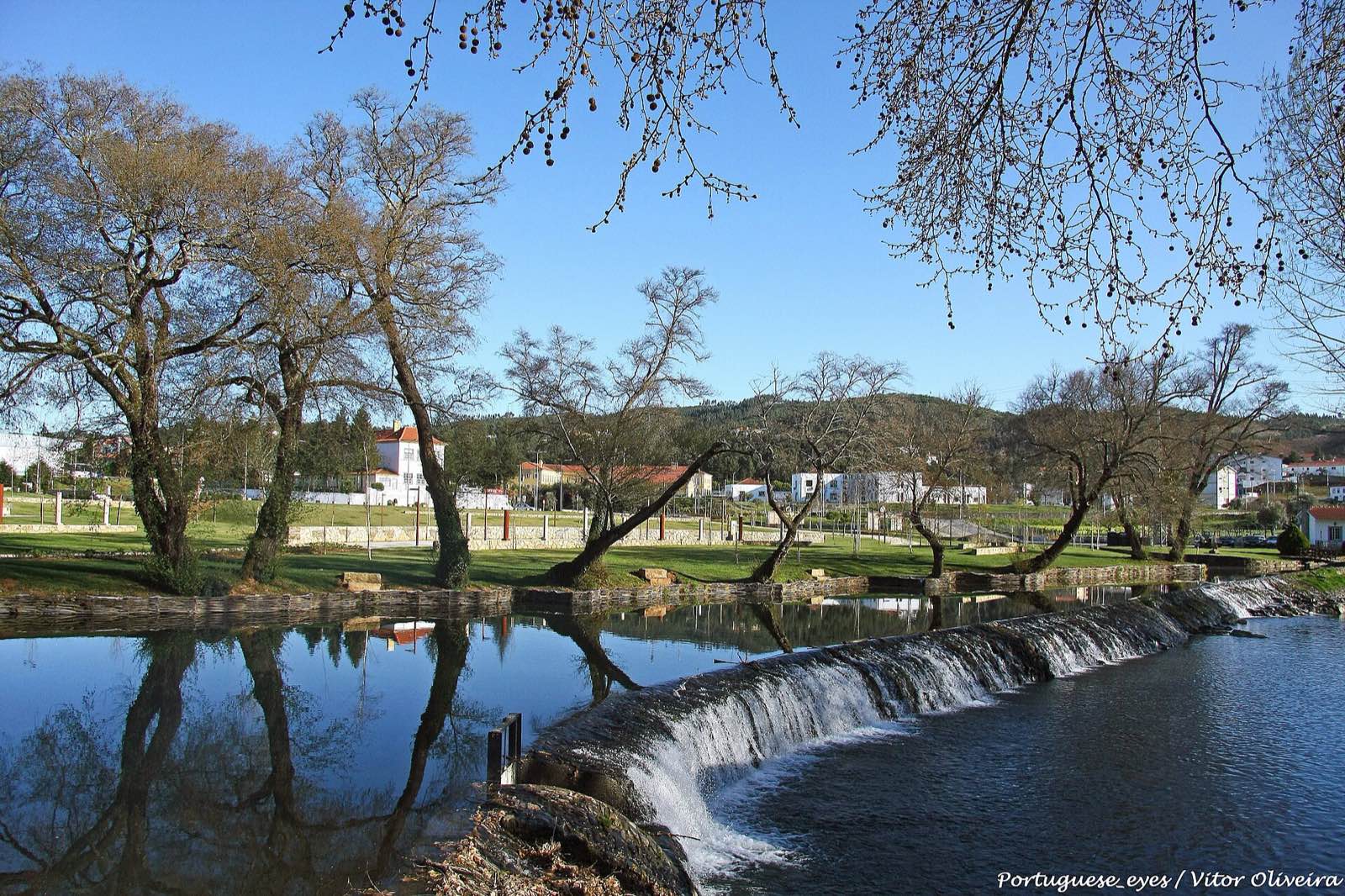
About Sertã
Sertã is a town in the Castelo Branco district, in the Beira Baixa. The town has about 5,500 inhabitants and is the seat of a municipality of 453.13 km², with about 14,750 inhabitants (2021) and 10 parishes. The municipality has 242 localities, two towns and 240 villages or hamlets. It borders Pampilhosa da Serra, Oleiros, Proença-a-Nova, Mação, Vila de Rei, Ferreira do Zêzere, Figueiró dos Vinhos and Pedrógão Grande.
The town lies in a schist valley, among maritime pine and eucalyptus. Two streams run through it, the Sertã stream, also called ribeira Grande, and the Amioso stream, which join at Entre-Águas. They run full in winter and can almost dry up in summer. To the west, the Zêzere river forms the Cabril, Bouçã and Castelo de Bode reservoirs, and the Alvelos mountains, on the border with Oleiros, reach about 1,080 m.
The name means frying pan, and the legend of Celinda says a woman defended the castle with boiling oil. The castle, the parish church, the Carvalha bridge and the pillories are the main heritage. The economy rests on trade, services, tourism and the wood industry, and there are also meat, paper and card, stone and clothing factories. At the table there are maranhos and stuffed bucho. The municipal holiday, on 24 June, marks the birth of Nuno Álvares Pereira in Cernache do Bonjardim, in 1360.
What the climate of Sertã asks of windows
According to Wikipedia, the climate is Mediterranean, with some continental influence. Summers are quite hot, with temperatures that often pass 30 °C and come close to 40 °C. Winters are quite cold, with nights below zero, and snow is frequent at Cabeço da Rainha, in the Alvelos mountains, and in the parishes around it. The large body of water of the Zêzere reservoirs makes the climate humid. We have no rain or wind figures from a reliable source, so we give none.
Sertã lies in a schist valley, ringed by pine woods, with two streams and the Zêzere reservoirs nearby.
According to Wikipedia, summers come close to 40 °C and winters have nights below zero. Windows work at both extremes.
- Strong summer heat
Wikipedia says temperatures often pass 30 °C and come close to 40 °C. In direct sun, the glass heats up and so does the room. Outside blinds, light colours and, on south and west facades, solar-control glass do more than the type of frame.
- Nights below zero
In winter there are nights with negative temperatures and, in the mountains, snow. Cold glass inside gives droplets and ice on the frame. A multi-chamber profile, double glazing and a seal without gaps keep the house warmer with less work from the heating.
- Damp from the water
The climate in Sertã is humid because of the body of water of the Zêzere. In houses near the water, damp attacks old wood and unprotected metal. Prefer profiles that neither rot nor rust, and clean the gasket and the tracks now and then.
- An isolated house in the pines
Many houses stand alone, among pine and eucalyptus, far from neighbours and from the installer. Choose simple hardware, firm locks and parts that are easy to get, and keep the window reference so you can order a part without taking the window apart.
| Condition | Level | Climate sheet |
|---|---|---|
| Summer | High | Often above 30 °C, close to 40 °C, according to Wikipedia. |
| Winter | High | Nights below zero; snow in the mountains. |
| Humidity | High | The water of the reservoirs makes the climate humid. |
Levels for comparison, not measurements.
SourcesWikipédia (pt): SertãWikipedia (en): SertãCâmara Municipal da Sertã: História e caracterizaçãoCâmara Municipal da Sertã: Património naturalCâmara Municipal da Sertã: Faixas de gestão de combustívelCâmara Municipal da Sertã: ARU Sertã
Solutions table for Sertã
| Window | Glass | |||
|---|---|---|---|---|
| Local condition | PVC | Aluminium | Double glazing | Triple glazing |
Strong summer heat | SuitableA continuous seal and a firm lock are enough on an isolated house on high ground. | SuitableCopes well; in the mountains, check the gaskets before winter. | SuitableWind changes the glass little; the gain is in comfort. | Needs careHeavier: hinges and frame must carry the weight. |
Nights below zero | SuitableFar from the sea, just clean off dust and pine resin. | SuitableWith no salt in the air the problem is small; clean the tracks. | SuitableNo issues on this point, just clean it. | SuitableSame as double glazing on this point. |
Damp from the water | SuitableDoes not rot by the stream and is a good barrier against cold. | Needs careAsk for a thermal break; without it the frame is icy and wet. | SuitableCuts the droplets, but the house must be aired every day. | SuitableWarmer glass on frosty nights; only worth it on cold walls. |
An isolated house in the pines | SuitableLight colour and an outside blind hold back the heat of 40 °C outside. | It dependsDepends on colour and profile; without a thermal break it gets very hot. | It dependsOn south and west facades, ask about solar control. | It dependsHolds the heat in, but the sun comes through; look at the solar treatment. |
- Suitable
- Needs care
- It depends
In Sertã, the extremes count: strong summer heat and freezing nights. The installer confirms on site what suits your village.
Homes in Sertã
The homes in the area change what is worth asking of the windows.
Historic centre
In the town, by the ribeira Grande and the castle, expect a mix of old houses and newer blocks. The town has an urban renewal area, and the council published in 2026 the approval of the renewal scheme. Before ordering, ask whether your street is in it and which rules or support apply.
Traditional houses
The municipality has 240 villages and hamlets, many in a land of schist, pine and olive. In a place like this, expect stone houses with thick walls and small openings, which keep the cold in winter and let heat in during summer. On site, check the state of the stonework and the render around the opening.
Detached and semi-detached houses
In the villages by the reservoirs, such as Foz da Sertã, Trízio or Várzea de Pedro Mouro, expect detached houses and leisure homes. If the house is shut part of the year, damp stays inside and mould shows in the corners of the glass. Ask for windows with their own ventilation and hardware that needs no upkeep.
Local notes
The Sertã council requires fuel management in a strip of at least 50 m around isolated buildings in rural land and at least 100 m around settlements. The first 2 m from the walls should have no vegetation. Check with the council what applies to your plot.
How it works
Tell us what you need
Measure the opening on the drawing and confirm your town.
We pass your request to the right companies
We process your request and send it to the local companies that best fit your town and what you asked for.
The companies contact you with quotes
They get in touch and send you their quotes and offers. Compare them and choose, with no obligation.
We do not make or fit windows. We pass your request on and explain.
Towns near Sertã
Live in another municipality of the hills or the Zêzere? These lie around Sertã. Write your town in the request.
Cannot find your area? Write it in the request.
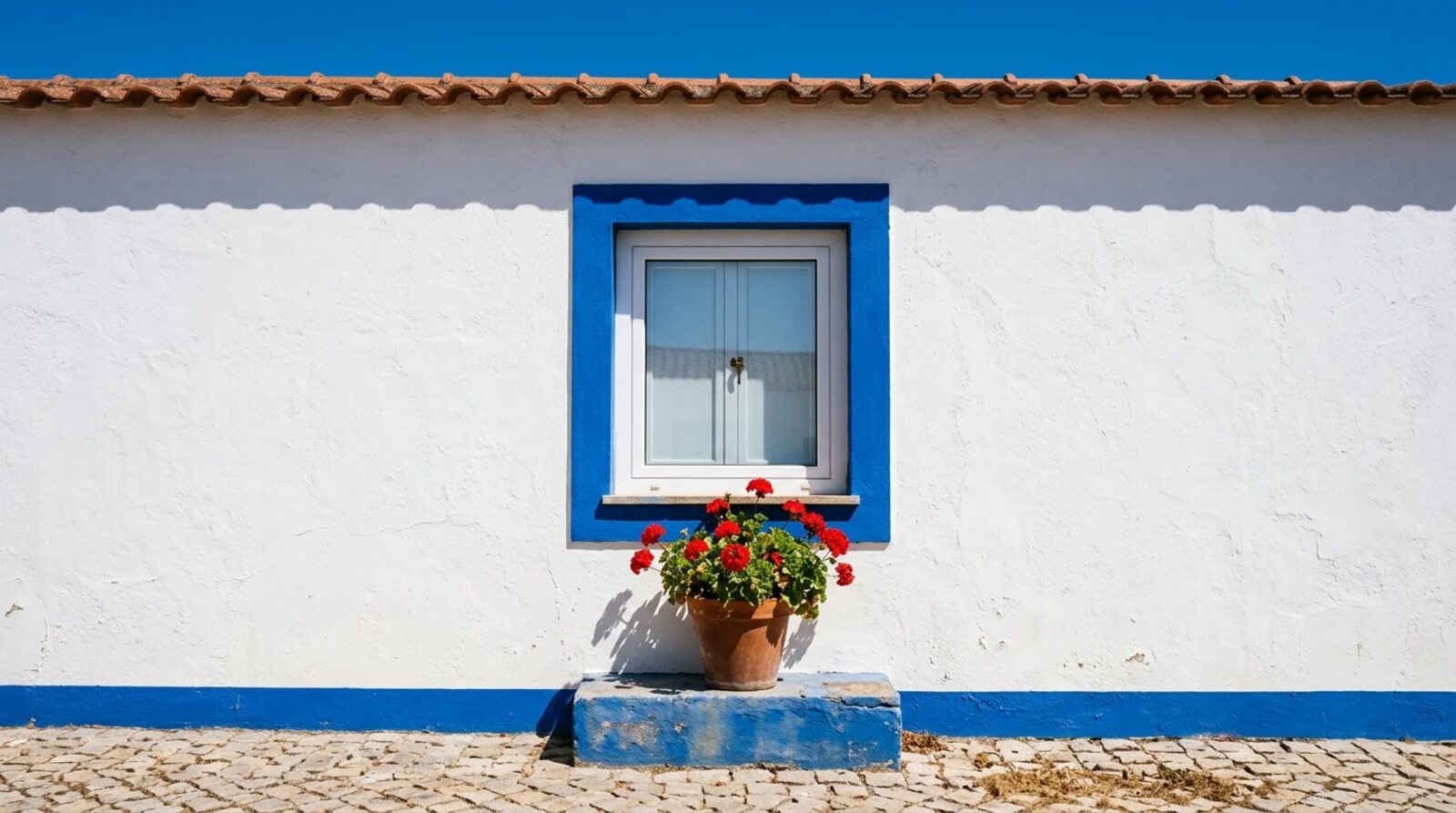
Sertã in photos
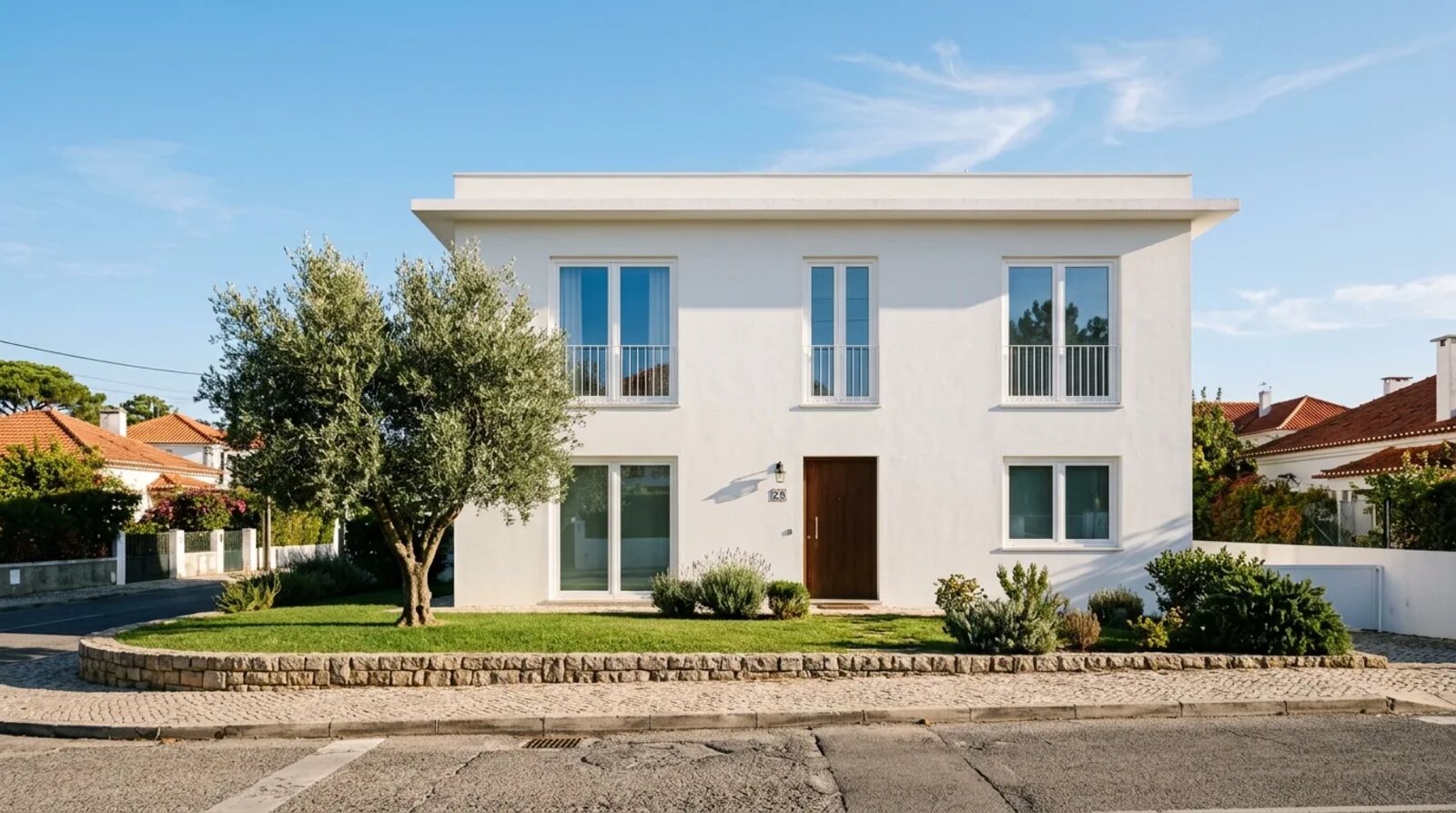
A house among the pines
The council explains that, in rural land with forest, scrub or pasture, anyone with land next to an isolated building must manage fuel in a strip of at least 50 m around the house. Around settlements, the strip is at least 100 m. In the first 2 m from the wall, vegetation should be gone.
No window replaces that clear strip. When choosing, ask the installer how the frame and the glass behave in strong heat, and prefer blinds or shutters that close on the outside. We do not promise fire resistance: that can only be confirmed on the product data sheet.
Water all around
Two streams run through the town, and the Zêzere forms three reservoirs to the west. The council and Wikipedia say the large body of water makes the climate humid. In a house near the water, cold glass inside is the first place where damp shows.
The streams run full in winter and almost dry up in summer, so a house can seem dry in August and damp in January. Look at the house in both seasons before blaming the window.
General notes
No window replaces the fuel management strip. The council asks for at least 50 m around isolated houses in rural land, and the first 2 m should have no vegetation. As for the product, fire resistance can only be confirmed on the data sheet; we do not promise it.
According to Wikipedia, snow is frequent in winter at Cabeço da Rainha, in the Alvelos mountains, and in the parishes around it. Anyone living in the hills should ask for a frame with a good seal and hardware that does not freeze, and ask the installer how it behaves in the cold.
Not always. The climate there is humid because of the body of water, and damp can come from the wall, the floor or the air. A tighter window helps against cold, but without airing the damp stays inside. Look first for leaks and cold walls.
Shade on the outside first: blinds or shutters and a light colour. Then the glass, with solar control on south and west facades. A profile with a thermal break heats up less in the sun. Airing at dawn helps more than running a fan at noon.
Yes. Write your locality in the request and the message goes to installers in the area. We say upfront that we do not install: we connect the person asking with the person doing the work. Say whether the house is in an isolated village, so the installer can plan the access.
The state of the stone and the render around the opening, and whether the opening is crooked, because in an old house almost none is straight. Ask for each opening to be measured. A new window only works well if it is fixed to a firm base and well sealed on the outside.
Related guides
- PVC windows on the south bank of Lisbon: river damp, noise and old homesWhat windows on the south bank of the Tagus have in common and what changes in Almada, Seixal, Barreiro, Montijo, Palmela, Sesimbra and Setúbal, with a link to each town page.5 min
- PVC windows in the Algarve: sun, salt, rain and closed homesWhat Algarve windows have in common and what changes from town to town: Albufeira, Faro, Lagos, Loulé, Olhão, Portimão and Tavira, with a link to each town page.5 min
- Wood-look PVC windows: do you need the condominium's permission?What the wood-look film on PVC is, what makers say about care, and what the Civil Code and the planning rules say when the colour of the window changes in the building.5 min
- Roof windows and Velux: what to know before replacing or installingWhen to replace a roof window, how long it takes, what Velux says about licences and what the law actually says, the roof in a condominium, the warranty and condensation.6 min
Prefer to get quotes?
Leave your name and phone number. Your town is already filled in. Free, no obligation.