PVC window installation in Covilhã
Tell us where, and companies in your area send you quotes. Measure your opening on the drawing and leave your phone number. Free, no obligation.
- Town
- Covilhã
- District
- Castelo Branco
- Position
- 40°17′ N · 7°30′ W
- Tilt and turn: opens to the side and tilts for fresh air.
What will it cost? Start with the sizes
Window type
Material
Colour
Sizes
Between 600 and 1800 mm
Between 300 and 2200 mm
A rough size is fine.
Extras
Window schedule
Each row is one window. Tap its mark (J1, J2…) to edit it.
No windows on the list yet. Set one up and tap “Add to the list”.
Pick a type and sizes, then add the window to the list to see the square metres.
Get quotes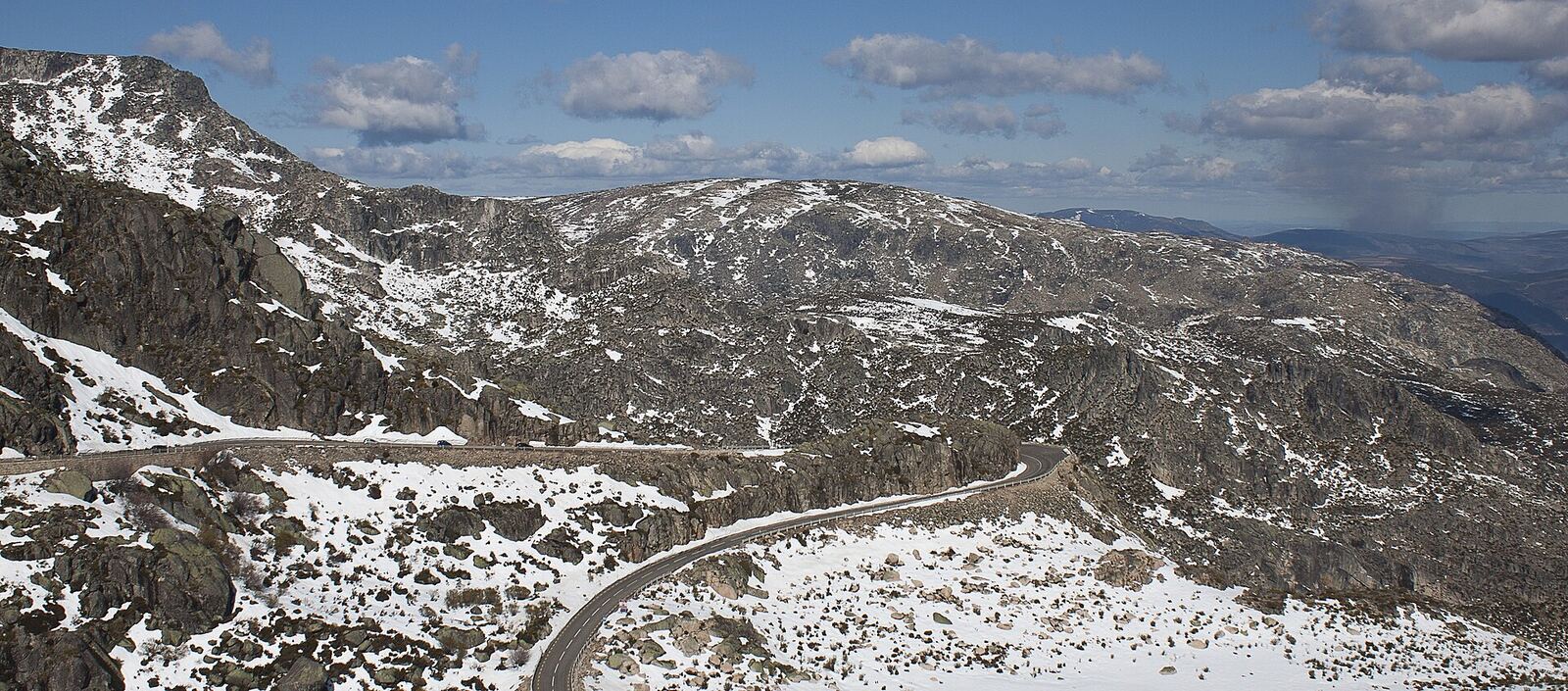
About Covilhã
Covilhã is the southern gateway to the Serra da Estrela, in the Castelo Branco district. The municipality covers about 556 km², has 21 parishes and just over 46,000 inhabitants, and the urban area, with five parishes, spreads up the slope between 450 and 800 m. It lies about 20 km from the Torre, the highest point of mainland Portugal, at 1,993 m.
The past goes back to Roman times, when there was a fortress here. King Sancho I gave Covilhã its town charter in 1186, and King Dinis had the walls of the medieval Portas do Sol quarter built. Wikipedia notes that great figures of the Discoveries were born in Covilhã or near it. The town was only raised to city status in 1870, by King Luís I.
Wool has been worked here for eight centuries. The Carpinteira and Degoldra streams, which come down from the mountains and cross the city, powered the mills, and dozens of industrial-archaeology buildings can still be seen beside them. The Royal Cloth Factory, created in 1763, is now the seat of the University of Beira Interior, with the Wool Museum.
In the municipality there are woods of oak and holm oak and, higher up the mountain, vegetation thins out. Covilhã is the city closest to the only ski slopes in Portugal. In a city on a slope, each street has its own orientation and its own climate.
What the climate of Covilhã asks of windows
According to Wikipedia, Covilhã has a Mediterranean climate (type Csa), with summers of high temperatures and little rain, and winters that are mild by day and colder at night. The yearly average is 13.6 °C, with 22.2 °C in August and 6.2 °C in January. About 1,082 mm of rain falls a year. Cold increases with altitude: in the urban area snow rarely lies on the ground, but in the higher parts of the mountains there is sometimes heavy snow.
Covilhã lies on the south-east slope of the Serra da Estrela. The city sits between 450 and 800 m, and cold increases with altitude.
There is rain, slope wind and hot summers. Each house has its own exposure, so every case is different.
- Slope wind
In a city on a slope, wind runs up and down the streets and hits each facade differently. A window facing the valley and one facing the mountains can have very different problems. Continuous seals and careful fitting save trouble in either exposure.
- Dust from the dry summer
In summer rain is scarce, and streets, fields and building sites raise dust. Profiles that are easy to clean and clear tracks make the window last. On the steeper streets, where wind drags dust against the facade, it is worth cleaning the tracks more often.
- Mountain rain and cold
About 1,082 mm of rain falls a year, and cold increases with altitude. An insulating frame and a glass that stays less cold inside avoid droplets and mould, especially in the highest houses of the city. Water running down the facade in heavy rain looks for the joint between window and wall.
- Summer heat
Summers have high temperatures, and August is the hottest month, averaging 22.2 °C. Solar-control glass and outside blinds help, especially on south-facing facades. At the end of the day the house cools faster than on the coast, so ventilating at night pays off.
| Condition | Level | Climate sheet |
|---|---|---|
| Summer | High | Hot, dry summers. |
| Winter | Medium | Mild by day, cold at night. |
| Rain | High | Plenty of rain outside summer. |
| Wind | Medium | A slope open on several sides. |
| Sun | High | Sunny summers. |
Levels for comparison, not measurements.
Climate zone of Covilhã
Portugal's building energy rules put every place in a winter zone (I1 to I3) and a summer zone (V1 to V3). In Covilhã the zone depends on the altitude of the building, so we show the ranges.
| Building altitude | Winter zone | Maximum Uw, W/(m²·°C) |
|---|---|---|
| up to 230 m | I1 | 2.80 |
| from 231 to 587 m | I2 | 2.40 |
| above 588 m | I3 | 2.20 |
Summer zone: V3: up to 590 m; V2: from 591 to 923 m; V1: above 924 m
Maximum solar factor of windows (gtot,máx): up to 590 m, V3: 0.10 in weak-inertia spaces and 0.50 in medium or strong inertia spaces; from 591 to 923 m, V2: 0.10 in weak-inertia spaces and 0.56 in medium or strong inertia spaces; above 924 m, V1: 0.15 in weak-inertia spaces and 0.56 in medium or strong inertia spaces. The value is for the opening with the solar protection fully activated. North-facing windows are exempt. What is the solar factor?
The maximum Uw applies to windows in housing in new and renovated buildings (Portaria n.º 138-I/2021), with exceptions, for example conservation works. The zone is calculated with the Manual SCE method, from the region (NUTS III) and the altitude, not by parish. Ask the designer or an SCE expert to confirm the one for your building. Checked on 19 October 2026. What is Uw?
Solutions table for Covilhã
| Window | Glass | |||
|---|---|---|---|---|
| Local condition | PVC | Aluminium | Double glazing | Triple glazing |
Slope wind | SuitableA continuous seal all round; the slope gets wind from many directions. | Needs careOnly with a thermal break and good seals. Metal conducts cold. | SuitableReduces the cold you feel next to the glass. | SuitableA good choice for walls exposed to cold wind. |
Dust from the dry summer | SuitableCopes with cold and dry air without painting. | SuitableCopes. Check the finish and the gaskets in the cold. | SuitableDry air does not affect the glass. | SuitableSame as double glazing on this point. |
Mountain rain and cold | SuitableInsulates the frame well. Helps against ice and water on glass. | Needs careA thermal break is decisive: without it ice and water form. | It dependsMay fall short in the coldest months. Compare with triple. | SuitableOften pays off where winter is long and cold. |
Summer heat | SuitableWinter sun comes in and helps warm the room. | It dependsDepends on the profile. A thermal break performs better. | It dependsHot summers: on sunny facades, look at solar control. | It dependsKeeps indoor heat in well. In summer, plan for ventilation. |
- Suitable
- Needs care
- It depends
In Covilhã, mountain cold and summer heat both count. The installer confirms on site what suits your street.
Homes in Covilhã
The homes in the area change what is worth asking of the windows.
Older apartment blocks
On the slope, by the streams and the old wool mills, there are old multi-storey buildings, some with old windows and thick walls. These homes were made for other ways of heating. Replacing the windows changes comfort a lot, but ask for careful measuring.
Traditional houses
In the mountain villages of the municipality there are granite houses with thick walls and small openings, made for the cold. Many stay closed part of the year. If that is you, ask for windows with their own ventilation to avoid mould, and hardware that copes with ice.
New apartments
In recent blocks in the lower areas and near the university, cold weighs less than on the upper slope. Think about ventilation and summer sun. On south-facing facades, solar-control glass can be a good idea.
How it works
Tell us what you need
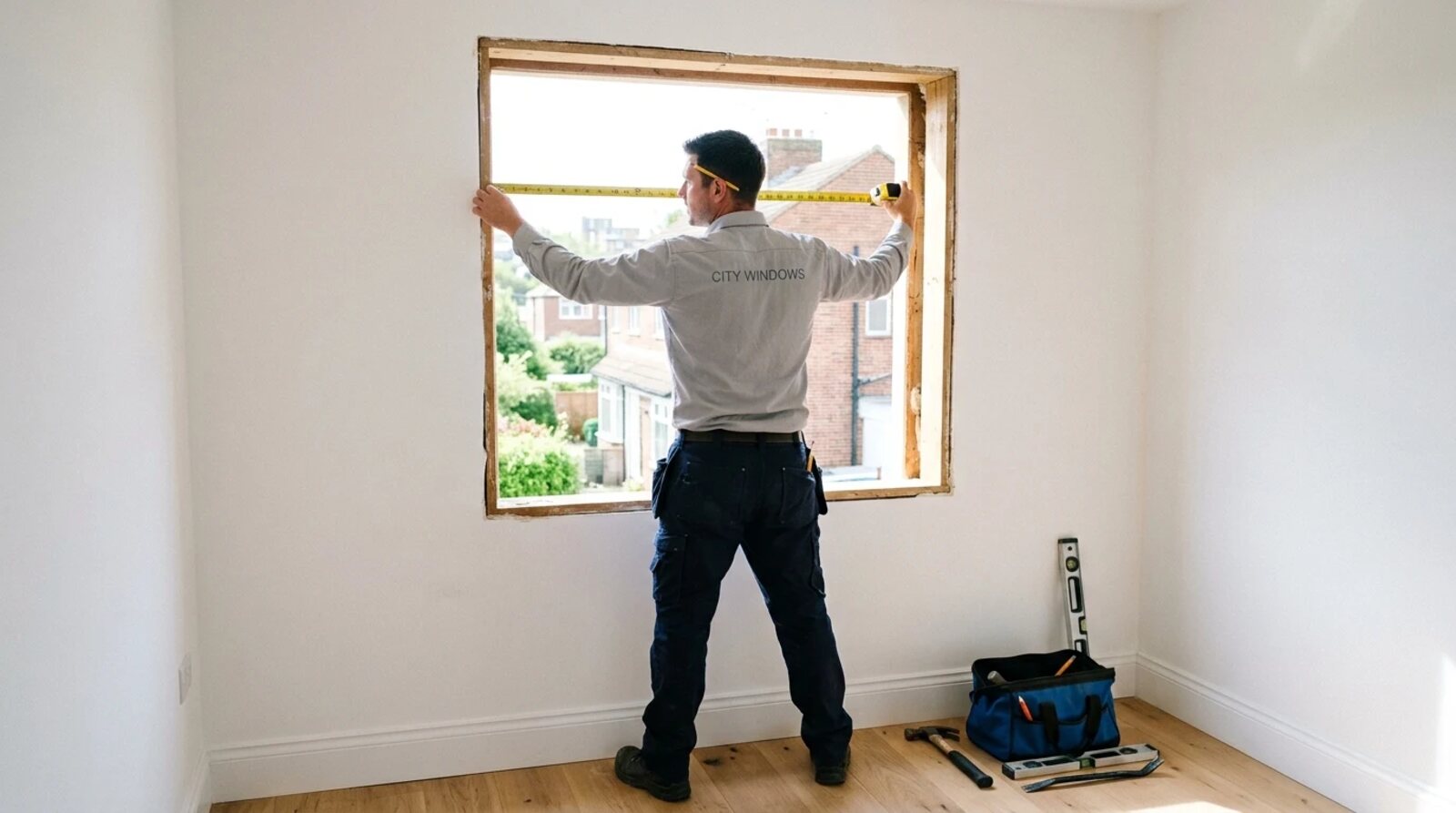
Measure the opening on the drawing and confirm your town.
We pass your request to the right companies
We process your request and send it to the local companies that best fit your town and what you asked for.
The companies contact you with quotes
They get in touch and send you their quotes and offers. Compare them and choose, with no obligation.
We do not make or fit windows. We pass your request on and explain.
Towns near Covilhã
Live in the mountains or a neighbouring municipality? These lie around Covilhã. Write your town in the request.
Cannot find your area? Write it in the request.
Covilhã in photos
Snow stays in the mountains, the cold comes down to town
In the urban area snow is rare and hardly lies on the ground. But at Penhas da Saúde, above 1,500 m and 9 km from the Torre, there is sometimes heavy snow, according to Wikipedia.
If you have a house in the mountains, the cold is different. Triple glazing and frames with a good thermal break become things to consider, as do hardware that copes with ice and good ventilation. In a house that stays closed for many months, damp can create mould.
Wool mills and buildings with history
Covilhã has been a wool town for eight centuries. Beside the Carpinteira and Degoldra streams there are dozens of old mill buildings, some in ruins and others converted. The University of Beira Interior occupies the Royal Cloth Factory.
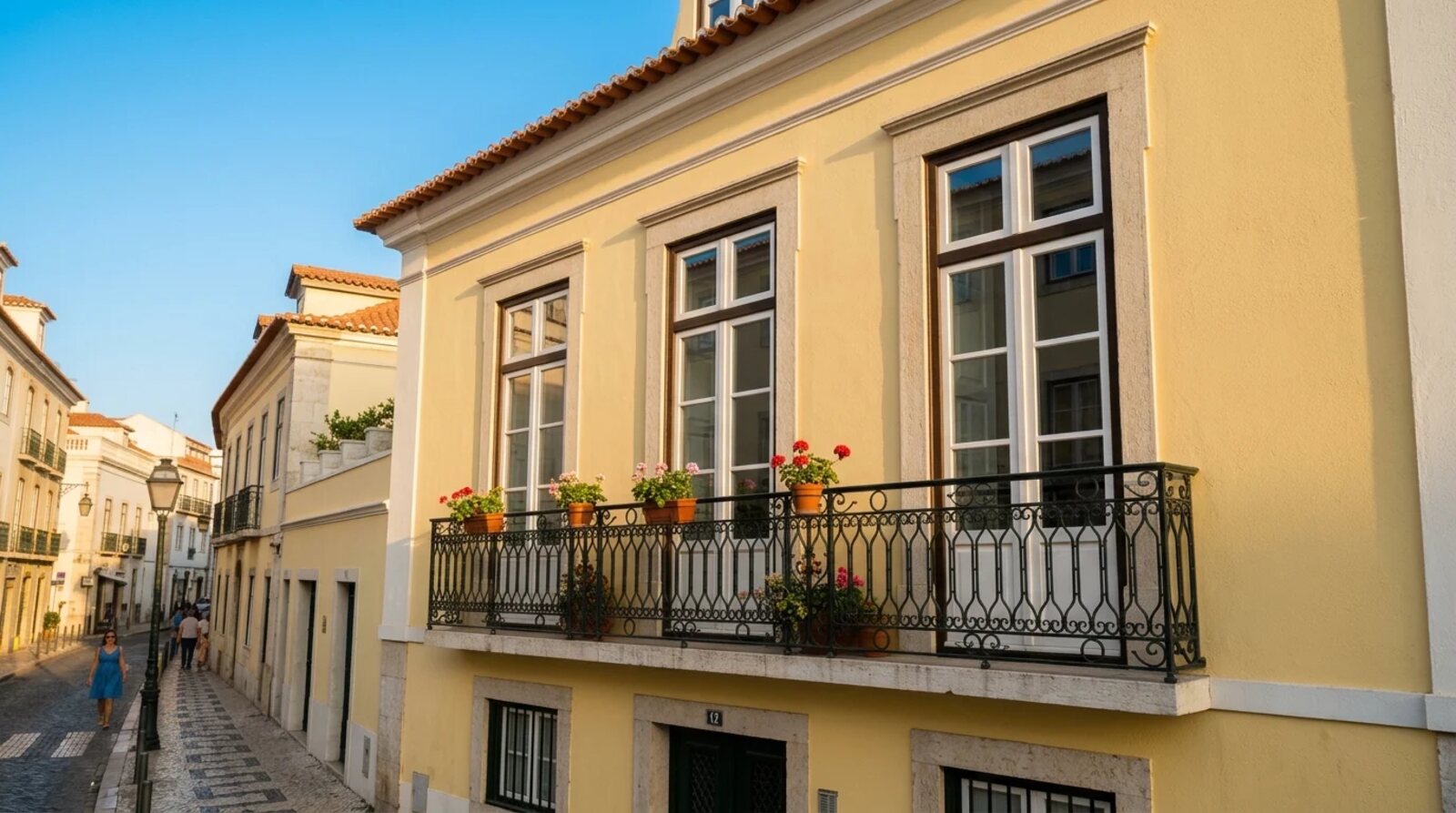
People living in buildings in this area find thick walls, tall openings and old windows. Ask for careful measuring, ask about the joint with the stone and check whether the council has facade rules. A good project respects the look of the building and improves comfort.
General notes
In the urban area snow is rare and hardly lies on the ground. In the higher parts of the mountains it snows more, and there the cold asks more of the glass and the frame. In any case, what usually weighs most day to day is rain and slope wind.
A seal all round and the quality of the fitting. On very exposed facades, triple glazing can be an option, but it weighs more and needs hardware to match. Ask the installer to look at each facade and its exposure to wind.
The streams come down from the mountains and cross the city, and next to them the damp can be greater. Check the wall, the floor and the ventilation before blaming only the window. A new window helps, but the cause may be elsewhere.
Wikipedia says summers have high temperatures and little rain. Light colours, solar control and shade outside help. Because the city is at altitude, nights tend to be cooler, and ventilating at the end of the day pays off.
It does. Altitude brings more cold and snow, and a house closed for many months holds damp. Ask for its own ventilation, more insulating glass and hardware that copes with ice. Tell the installer the approximate altitude and whether the house is lived in all year.
Yes. Write your locality in the request and we pass it on to installers in that area. We do not install, we only connect the person asking with the person who does the work. The lowest and highest parishes of the municipality have different climates, so say where the house is.
Related guides
- Grant to replace windows in Cascais: Green Fund (70% to 100%)The Cascais Green Fund pays between 70% and 100% of windows, up to €3,000, depending on the IRS bracket. What the Regulation says and what is still unknown.6 min
- Energy-efficiency loan (BPF): who can apply, and for windowsPortaria 442-A/2025/1 creates a loan, not a gift, with class A windows on the list. Who can apply, the certificate required and what is still unknown.5 min
- Vale Eficiência and windows: what happened and what to do in 2026The Vale Eficiência has ended, but the Government announced a new model for about 28,000 families with no voucher. How it worked, the timeline and what to do in each case.6 min
- Independent help before buying windows: Espaço Energia, casA+ and SCE expertsThree ADENE-linked services that can help before you talk to salespeople: what each one offers, and what their pages do not say.4 min
Prefer to get quotes?
Leave your name and phone number. Your town is already filled in. Free, no obligation.
Do you install windows in Covilhã?
Receive requests from customers in your area.
I want to be a partner